
MICE Peru | Experten für Incentive-Reisen und Firmenveranstaltungen
Willkommen bei M.I.C.E. Peru
Bei MICE (Meetings, Incentives, Conferences, and Exhibitions) Peru sind wir Experten darin, unvergessliche Erlebnisse für Ihr Unternehmen zu schaffen. Wir sind spezialisiert auf die Organisation von Firmenveranstaltungen und Anreizreisen in ganz Peru und verbinden den kulturellen und natürlichen Reichtum des Landes mit sorgfältiger Planung und außergewöhnlichem Service.
Egal, ob Sie Ihr Team inspirieren, Ihre Geschäftspartner beeindrucken oder einfach nur Erfolg feiern möchten – wir sind da, um Ihre Ziele mit Kreativität, Professionalität und Aufmerksamkeit für jedes Detail zu verwirklichen. Lassen Sie uns Ihre Ideen in außergewöhnliche Momente verwandeln.
Machen Sie Ihr nächstes Event unvergesslich! Bei Mice Peru verwandeln wir Ihre Ideen in außergewöhnliche Erlebnisse.
Kontaktieren Sie uns, um mit der Planung Ihrer Veranstaltung zu beginnen, oder fordern Sie ein Angebot an, um zu sehen, wie wir Ihre Ziele Wirklichkeit werden können.
Warum ist Peru ein
Ziel für M.I.C.E.?
- Reiche und vielfältige Kultur: Archäologische Stätten, Kolonialstädte und kulturelle Traditionen.
- Unvergessliche Landschaften: Von den majestätischen Bergen der Anden bis zum Amazonas-Regenwald und der Pazifikküste
- Außergewöhnliche Gastronomie: Die peruanische Küche ist international für ihre Vielfalt und Raffinesse bekannt
- Abenteuer und exklusive Aktivitäten: Peru bietet eine breite Palette an Abenteuern und exklusiven Aktivitäten, die in Firmenveranstaltungen integriert werden können
- Moderne Infrastruktur: Große peruanische Städte verfügen über hochwertige Hotels, Kongresszentren und effiziente Verkehrsdienste
- Peruanische Gastfreundschaft: Die Herzlichkeit und Gastfreundschaft des peruanischen Volkes sind weltweit anerkannt
- Vielfalt an Unterkunftsmöglichkeiten: Peru bietet von luxuriösen Boutique-Hotels bis hin zu exklusiven Unterkünften in natürlicher Umgebung
- Zugang zu ikonischen Reisezielen: Die Möglichkeit, Firmenveranstaltungen mit Besuchen an ikonischen Zielen zu kombinieren, kann jeder Incentive-Reise eine einzigartige Komponente verleihen
Außergewöhnliche Ziele
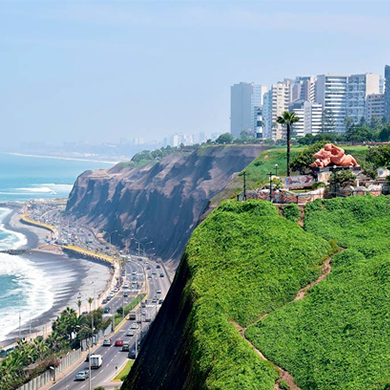
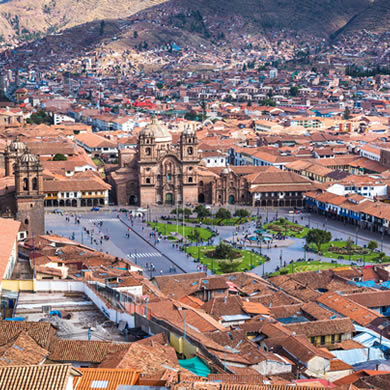
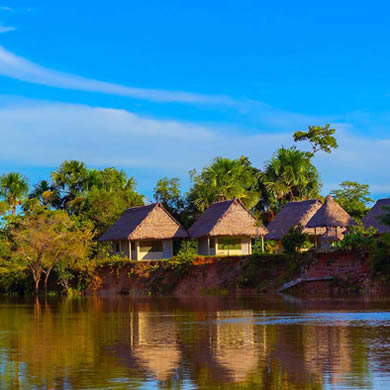
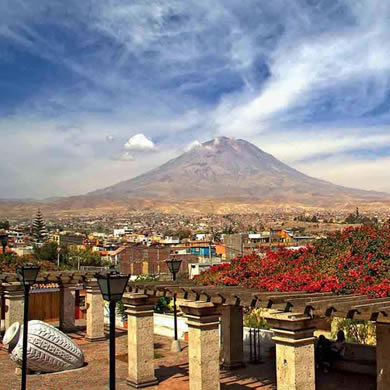
Firmen-Anreizreisen nach Peru
Let’s be honest: after a year of hitting targets, delivering projects on time, and teams giving 110%, is another cash bonus really going to make the same impact it did five years ago? Probably not.
Smart companies have already figured it out: the best incentives aren’t deposited into a bank account they’re lived. And when it comes to experiences that truly transform teams, Peru—especially Machu Picchu—is in a league of its own.
Why Incentive Trips Are Still Relevant in 2025
Before diving into why Peru should be on your radar, let’s address the obvious: we live in an era of remote work, Zoom meetings, and globally distributed teams. Paradoxically, this has made in-person shared experiences more valuable than ever.
A well-designed corporate incentive trip isn’t just a reward; it’s a strategic investment. You’re strengthening relationships among people who may have only met through screens. You’re creating shared memories that become the cultural glue of your organization. And most importantly, you’re showing your people that you value them beyond the numbers on an Excel sheet.
Machu Picchu: More Than an Instagram Photo
Sure, we’ve all seen the pictures. The Incan citadel emerging between mist-covered mountains, the perfectly built terraces, that golden sunrise light. But here’s the truth most companies forget: Machu Picchu doesn’t make an impact because it’s photogenic—it’s transformative.
Think of it this way: you take your team to a place that defies all modern architectural logic. The Incas moved 50-ton granite blocks across mountains without wheels, pack animals, or metal tools. They built with such precision that 600 years later you still can’t fit a sheet of paper between the stones.
That kind of experience sparks conversations you don’t get in a conference room. It creates perspective. And yes, it also produces fantastic photos—but that’s just a bonus.
Why Peru Outperforms Other Incentive Destinations
When you organize corporate trips to Machu Picchu, several elements work in your favor:
- The experience is inherently equalizing. It doesn’t matter if you’re the CEO or a junior analyst—everyone is equally impressed standing before a wonder of the world. That psychological leveling is pure gold for team dynamics.
- Natural narratives of achievement and growth. The Inca Trail, the train through the Sacred Valley, even just Cusco’s altitude—all require a bit of effort. And when teams overcome challenges together, even symbolic ones, they grow stronger.
- Unmatched diversity of experiences. In a single incentive trip to Peru, you can combine ancient history, world-class cuisine, spectacular nature, and luxury experiences. Few destinations offer that versatility.
- The “wow” factor is guaranteed. Let’s be practical: you need your incentive investment to spark conversations. “We went to Machu Picchu” has far more cultural impact than “we got gift cards.”
Designing the Perfect Incentive Trip to Peru
This is where many companies fall short: they think buying flights and booking hotels is enough. A successful corporate incentive program in Peru requires strategic planning.
The Winning 5–7 Day Formula
The ideal length for incentive trips to Cusco and Machu Picchu is typically 5 to 7 days. Why? Less feels rushed and doesn’t allow for proper altitude acclimatization. More time starts creating workplace anxiety for participants.
Days 1–2: Lima, the Gastronomic Capital
Start in Lima for gentle acclimatization. This isn’t filler—Lima is consistently ranked among the world’s top gastronomic cities. A dinner at Central, Maido, or any 50 Best restaurant already justifies the stop.
Days 3–4: Cusco and the Sacred Valley
The Sacred Valley isn’t just the road to Machu Picchu—it’s an experience of its own. Traditional markets in Pisac, the salt mines of Maras, the circular ruins of Moray, Andean communities preserving 500-year-old textile traditions.
Day 5: Machu Picchu (The Main Event)
This day requires meticulous planning. Early train, expert guide, enough but not excessive time (3–4 hours is ideal), comfortable return. Logistics make the difference between an epic experience and an operational headache.
Days 6–7: Flexible Options
Depending on budget and goals: Lake Titicaca, Rainbow Mountain, free time in Cusco, or a direct flight home.
The Real Budget: Let’s Talk Numbers
One of the first questions we get about corporate trips to Peru is: “How much does it really cost?”
The honest answer: it varies dramatically based on the level of experience you want.
- Standard Program: USD $2,500–3,500 per person
3–4 star hotels, tourist train to Machu Picchu, group transfers, standard experiences. - Premium Program: USD $4,500–6,500 per person
5-star hotels (Belmond, Inkaterra), Vistadome or Hiram Bingham train, private experiences, more flexibility. - Ultra-Luxury Program: USD $7,500+ per person
All of the above plus: helicopter to the Sacred Valley, private dinners in ruins, suite at Machu Picchu Sanctuary Lodge, personal sommelier, professional photographer.
Is it worth the investment? Consider this: the average cost of replacing a valuable employee ranges between 50–200% of their annual salary. If your incentive program increases retention even by 5%, the ROI is immediate.
Logistics That Actually Matter
Some operational details that separate successful incentive trips in Peru from logistical disasters:
- Altitude Management:
Cusco is at 3,400 meters. You must allow time to acclimate. Flying from Lima (sea level) and going to Machu Picchu the next day is asking for trouble. - Advance Permits:
Machu Picchu tickets are limited and sell out. For corporate groups, book 2–3 months in advance. The Inca Trail requires up to 6 months. - Weather Flexibility:
Peru has two defined seasons. April–October is dry (high season). November–March is rainy—greener, fewer crowds, but unpredictable. For corporate groups, May–September is usually ideal. - Connectivity:
Yes, there’s WiFi in Cusco. No, it’s not like the office. Set clear expectations to avoid frustration.
Beyond Machu Picchu: Strategic Add-Ons
A well-designed incentive program in Peru can include elements that amplify impact:
- Social Impact Experiences:
Visits to community projects, coordinated donations, interaction with local artisans—perfect for companies with strong social responsibility values. - Authentic Team Building:
Peruvian cooking classes where teams prepare ceviche and pisco sours, textile workshops with Andean weavers—activities that encourage collaboration without feeling forced. - Reflection Moments:
Cusco and the Sacred Valley offer natural spaces ideal for strategy or reflection sessions. Some companies even hold planning meetings overlooking Ausangate.
Safety and Health Considerations
Let’s address what any responsible travel organizer worries about:
Peru specifically the Lima Cusco Machu Picchu tourist circuit is exceptionally safe for visitors. Tourism infrastructure is well developed, there’s constant police presence in tourist areas, and reputable providers have solid safety protocols.
The real challenge isn’t safety it’s altitude. That’s why gradual acclimatization is crucial. Coca tea, steady hydration, avoiding alcohol for the first 48 hours—simple but effective measures.
International travel insurance is non-negotiable. And having a local coordinator with 24/7 response capability turns minor inconveniences into manageable issues.
Time to Decide
In the end, the question isn’t whether your team deserves an experience like Machu Picchu. The real question is: what kind of organizational culture are you building?
Companies that invest in meaningful incentive trips make a clear statement: we value our people, we believe in shared experiences, and we know the best results come from genuinely connected teams.
Peru and Machu Picchu specifically offers the kind of transformative experience that becomes part of your company’s identity. It’s not just an incentive trip; it’s an investment in cohesion, motivation, and loyalty.
And honestly, after everything your team achieved this year, don’t they deserve something more memorable than another certificate or plaque?
If you’re considering Cusco for your next corporate event, you probably already know it’s not a conventional decision. You’re looking at a city at 11,150 feet altitude, with colonial infrastructure, unpredictable weather, and which also happens to be one of the most desired destinations on the planet.
The good news is that precisely because it’s a world-class tourism hub, Cusco has developed surprisingly sophisticated infrastructure for corporate events. The bad news is that planning here requires a level of anticipation and detail you don’t need in Lima or sea-level cities.
After coordinating hundreds of corporate events in Cusco from executive meetings of 15 people to conventions of 500 participants, I can tell you that anything is possible. But you need to know exactly what you’re getting into.
Why Cusco Works for Corporate Events (And When It Doesn’t)
Before diving into heavy logistics, let’s be clear about when it makes sense to choose Cusco for business events.
Cusco works exceptionally well when:
- You’re looking for a destination that generates high engagement and confirmed attendance
- You want to combine work with meaningful cultural experiences
- Your event is 2 to 5 days and you can include experiential components
- The budget allows absorbing more complex logistics costs
- Participants value unique destinations over absolute comfort
Cusco is NOT ideal when:
- You need last-minute events (less than 60 days notice)
- Your audience has severe medical restrictions or limited mobility
- You require cutting-edge technology for broadcasts or complex production
- The event is purely transactional and the destination doesn’t matter
- Your budget is extremely tight
If after reading this you’re still moving forward, perfect. Let’s talk about what really matters.
The Seasons: Timing Is Everything in Cusco
Planning corporate events in Cusco starts with understanding the weather, because it can literally make or break your event.
Dry Season (April – October): The Optimal Window
May, June, July, August, September are the golden months. Virtually guaranteed blue skies, pleasant daytime temperatures (64-72°F), cool but manageable nights. This is the high tourist season, which means:
Advantages: Predictable weather, all attractions operating at full capacity, maximum provider availability, vibrant city with tourist energy.
Disadvantages: Prices 30-40% higher, venues and hotels booked months in advance, more congested city, you need more buffer time for transfers.
For large corporate events in Cusco (more than 100 people), these months require bookings with 4 to 6 months minimum advance notice.
Rainy Season (November – March): Opportunity or Risk
January and February are the rainiest months. This doesn’t mean constant rain, but heavy rains typically in the afternoons and evenings.
Advantages: Significantly lower prices (up to 40% less), greater availability, incredibly green landscapes, fewer tourists, more personalized attention from providers.
Disadvantages: Real weather risk for outdoor activities, February is when they close the Inca Trail for maintenance, some routes may have complications, you need robust Plan Bs.
April and October are transition months. Generally good weather but less predictable. Intermediate prices. For organizers with some risk tolerance, these can be sweet spots.
Local Calendar Considerations
Inti Raymi (June 24): Cusco’s biggest celebration. If your event falls on these dates, prepare for an absolutely packed city, premium prices, and unique cultural energy but also logistical chaos.
Holy Week: Similar to Inti Raymi in terms of occupancy and complexity.
Independence Day (July 28-29): Peru celebrates its independence. High occupancy, some government services closed.
Christmas and New Year: High tourist occupancy, elevated prices, but beautiful season if you can coordinate around specific holidays.
Venues in Cusco: From Colonial to Contemporary
This is where Cusco surprises you. The offering of halls for corporate events is much more diverse than you’d imagine.
Hotels with Event Facilities
5-Star Luxury Category:
Belmond Hotel Monasterio is probably the most iconic venue. We’re talking about a 16th-century Augustinian monastery converted into a luxury hotel. They have rooms with capacity from 20 to 200 people, original vaulted ceilings, courtyards with cloisters, modern audiovisual technology discreetly integrated. Maximum capacity in theater configuration: 250 people. For high-level events where location matters as much as content, this is hard to beat.
JW Marriott El Convento Cusco is another property in a historic building but with more modern infrastructure. Flexible halls, better integrated technology, capacity up to 400 people in main hall. Ideal for conventions needing functionality without sacrificing unique atmosphere.
Palacio del Inka, a Luxury Collection Hotel offers more intimate spaces. Its central courtyard with original Inca walls is perfect for receptions of 80-150 people. Interior halls for 60-120 people depending on configuration.
Business Contemporary Category:
Novotel Cusco is probably the most practical hotel for purely corporate events. Modern halls, reliable technology, central but less touristy location. Capacities up to 300 people. Lower costs than luxury properties without sacrificing professionalism.
Casa Andina Premium Cusco and Sonesta Cusco offer intermediate options. Good halls, modern equipment, competitive prices. Capacities 100-200 people.
Unique and Experiential Venues
This is where Cusco really shines for memorable corporate events.
Sacred Valley Haciendas: 45 minutes from Cusco, properties like Inkaterra Hacienda Urubamba or Sol y Luna offer outdoor spaces with spectacular views. Perfect for executive retreats of 30-80 people where you want positive isolation and immersive experiences.
Restaurants with Private Spaces: MAP Café (inside the Pre-Columbian Art Museum) can accommodate events of 80-120 people in a spectacular colonial courtyard. Chicha (by Gastón Acurio) has private rooms for 40-60 people. Limo offers spaces with views of Plaza de Armas for groups up to 100 people.
Cultural Centers: Centro Qosqo de Arte Nativo can be booked completely for events with traditional dance show included. Capacity 150-200 people. Works exceptionally well for gala dinners with cultural entertainment.
Spaces in Ruins (Yes, Seriously): With special permits and coordination with the Ministry of Culture, it’s possible to organize private receptions at some minor archaeological sites. This requires months of advance notice, considerable budgets, and extensive coordination, but the impact is incomparable.
Logistics: The Details That Make The Difference
Organizing corporate events in Cusco lives or dies on logistical details.
Altitude: Not Optional, It’s Critical
Your entire timeline must be built around acclimatization. For multi-day events, the optimal scheme is:
Day 1: Arrival, registration, free afternoon or very light activity. Relaxed welcome dinner. Educate about water consumption, avoid alcohol, recognize altitude sickness symptoms.
Day 2: Morning sessions when energy is better. Afternoon with flexible options. This is where some participants are still acclimatizing.
Day 3 onwards: You can now schedule full agendas with confidence.
If your event is a single day with participants arriving that morning from Lima, expect 20-30% of your audience won’t be at 100%. It’s manageable but you need to design with this in mind.
Technology and Connectivity
Internet: Cusco has internet, but it’s not consistently fast. 5-star hotels have adequate dedicated connections. For events requiring streaming, high-quality videoconferences, or large data transfers, you need to confirm specific capacity and have backup with 4G modems.
Audiovisual Equipment: Most venues have projectors, screens, basic audio systems. For more sophisticated production you need to bring specialized providers from Lima or confirm local capacities well in advance.
Electricity: Voltage is standard (220V), but some historic venues have load limitations. If your event requires special lighting, multiple production equipment, or complex installations, prior technical survey is mandatory.
Catering and F&B
Peruvian gastronomy is a selling point in itself for events in Cusco. That said:
Menus: You can do everything from standard international food to high-level Andean gastronomic experiences. Cost per person varies dramatically: USD 25-40 for standard corporate lunches, USD 60-120 for gala dinners with multiple courses and pairing.
Dietary Restrictions: International hotels handle vegetarian, vegan, gluten-free, religious restrictions without problem. Confirm exact numbers 7 days in advance.
Alcohol: Pisco sour is almost mandatory for events in Cusco. Open bar costs: USD 15-25 per person for moderate consumption of 2-3 hours. Local wines and Cusco craft beers add authenticity.
Meal Timing: Lunch typically 1-2 pm. Dinners can start 7-8 pm. Service can be slower than in big cities, factor 15-20% more time.
Transportation and Mobility
From Airport: 15-20 minutes to downtown in normal traffic. Coordinate group transfers for close arrivals. Approximate cost: USD 15-25 per private vehicle, less for group shuttles.
Within Cusco: The historic center has narrow and pedestrian streets. For large groups, coordinate accessible meeting points. 5-10 minute walks between venues are normal and generally pleasant.
To Sacred Valley or Archaeological Sites: Requires buses or vans. For groups of 40+ people, you need multiple vehicles. Traffic can be unpredictable, always add 20% buffer to estimated time.
Permits, Legal and Administrative
This is the less glamorous but absolutely critical side of organizing business events in Cusco.
Contracts with Venues: Read cancellation policies carefully. Many venues require 50% non-refundable deposit. For large events, negotiate terms and understand exactly what’s included.
Insurance: For events of 100+ people or with experiential components (trekking, adventure activities), liability insurance is highly recommended.
Special Permits: If you plan to use public spaces, plazas, or have components that impact traffic or shared spaces, you need municipal permits. This can take weeks.
Tax Aspects: If your company doesn’t have presence in Peru, coordinate with your local provider about invoicing, taxes, and documentation necessary for reimbursements or corporate accounting.
Local Providers: Your Support Network
The difference between a successful event and a problematic one in Cusco frequently comes down to the quality of your local providers.
DMC (Destination Management Company): For complex events, a DMC with experience in Cusco is invaluable. They know every venue, have relationships with providers, know how to negotiate, and crucially understand how to handle local contingencies.
Equipment Providers: For audiovisual production, scenography, special lighting, you need providers who regularly work corporate events. Ask for specific references from similar events.
Guides and Coordinators: For experiential components, officially licensed guides are legally required at archaeological sites. Good guides transform a tourist visit into a memorable experience.
Support Staff: Coordinate bilingual personnel for registration, assistance, and troubleshooting during the event. In international events this is critical.
Real Budget: Expectations vs Reality
Let’s talk concrete numbers for corporate events in Cusco.
One-Day Corporate Event (50 people):
- Hall with basic equipment: USD 800-1,500
- Coffee breaks (2): USD 500-800
- Lunch: USD 1,500-2,000
- Materials and logistics: USD 500-800
- Support staff: USD 300-500
Total approximate: USD 3,600-5,600 (USD 72-112 per person)
Multi-Day Event with Experiential Components (50 people, 3 days):
- 4-star hotels (2 nights): USD 10,000-15,000
- Halls and spaces: USD 2,000-3,500
- F&B (6 meal services): USD 7,500-12,000
- Tours and experiences: USD 5,000-8,000
- Transportation: USD 2,000-3,000
- Production and materials: USD 2,500-4,000
- Coordination and staff: USD 3,000-5,000
Total approximate: USD 32,000-50,500 (USD 640-1,010 per person)
These numbers exclude participant airfare but include everything else. Ranges reflect differences in hotel level, production complexity, and season.
Plan B, C and D: Preparation For The Unexpected
In Cusco more than any other destination, you need robust contingencies.
Weather: Always have an indoor plan for any outdoor component. Rain in wet season isn’t „if“, it’s „when“.
Altitude: Have the nearest medical center identified. Have staff who knows how to recognize serious altitude sickness vs. minor symptoms. Have oxygen available at large events.
Logistics: If your event depends on transfers, have backup vehicles coordinated. Traffic and road conditions can surprise.
Technology: Internet backup, backup projection equipment, extra microphones. In remote or historic venues, technology fails more frequently.
The X Factor: Why The Extra Effort Is Worth It
After all this logistical detail, you’ll wonder: is all this complexity really worth it?
If your goal is purely transactional, present numbers, sign contracts and finish, probably not. There are easier destinations.
But if your event has a component of inspiration, culture building, achievement celebration, or collective memory creation, Cusco offers something that no conventional corporate hall can replicate.
Your participants will remember that event in Cusco when they’ve completely forgotten last year’s conference at the generic hotel. That shared memory becomes part of your organization’s fabric.
And honestly, when you design the logistics well and work with providers who know what they’re doing, the complexity is manageable. What remains is the magic.
Ready to plan your corporate event in Cusco? At MICE Peru we specialize in transforming Cusco’s logistical complexity into smooth and memorable corporate experiences. Contact us for a detailed consultation about your next event.
Let’s be direct: that team building workshop in a hotel conference room with trust fall exercises and corporate puzzles doesn’t work anymore. Your team knows it, you know it, and everyone’s probably faking enthusiasm while checking emails on their phones.
What if instead, your team is navigating the Amazon River at dawn, building strategies while watching pink dolphins, or learning about ecosystem interdependence that has direct lessons about how their own teams function (or don’t function)?
The Peruvian Amazon isn’t the obvious place for corporate team building activities, and that’s precisely why it works so extraordinarily well. Especially for tech companies, startups, and organizations that need something more than another predictable corporate retreat.
Why The Amazon Rainforest Transforms Teams In Ways A Conference Room Can’t
There’s something fundamentally different about what happens when you take your team out of their urban comfort zone and place them in the planet’s most biodiverse ecosystem.
Context Changes Everything
In the office or at a conference hotel, the same power dynamics and hierarchies continue operating. The CEO is still the CEO, the junior developer is still the junior developer. Everyone falls into their usual roles because the environment reinforces them.
In the Amazon, no one is an expert. The CFO who handles million-dollar budgets can’t identify which plant is medicinal. The product manager who leads teams of 50 people needs help balancing in a canoe. That psychological leveling is pure gold for team dynamics.
Real Challenges, Not Simulated
Traditional business team building exercises involve artificial challenges: „build a tower with spaghetti,“ „cross this imaginary rope,“ „solve this corporate puzzle.“ Your team knows they don’t really matter.
In the jungle, challenges are authentic. The tropical storm that changes your plans isn’t a simulation. The 3-hour hike requires real endurance. The coordination to not get lost on a trail literally matters. When teams overcome real challenges together, the bonding is genuine.
Forced Disconnection (The Gift No One Asked For But Everyone Needs)
Limited connectivity at Amazon lodges isn’t a bug, it’s a feature. When your team can’t hide in instant messaging, emails, or fabricated „emergencies,“ they have to be present. They have to talk to each other. They have to be human.
For tech companies addicted to hyperconnectivity, this forced disconnection frequently produces the most valuable moments of the corporate Amazon retreat.
The Activities That Actually Work (And Why)
Not all Amazon activities work equally well for team building. After designing dozens of programs for startups, tech companies, and corporate teams, these are the components that consistently generate impact.
Canoe Expeditions: Silent Leadership
There’s something extraordinary about putting your team in traditional Amazonian canoes to explore tributaries and lagoons.
Why it works: Canoes require silent coordination. You can’t shout instructions without scaring away the wildlife you came to see. Teams have to develop non-verbal communication, read body language, anticipate others‘ movements. It’s distributed leadership in real time.
Optimal format: Groups of 4-6 people per canoe. Rotate positions every 30-45 minutes so everyone experiences leading from the front, paddling in the middle, and steering from the back. The post-activity reflection on what worked, what didn’t, and how it relates to their work is where the magic happens.
Ideal duration: 2-3 hours for morning exploration, with 45-minute debrief afterwards.
Night Hike: Trust in Uncertain Environments
Night walks through the jungle are intimidating for urban teams. Total darkness, unknown sounds, irregular terrain, creatures you definitely don’t see in the office.
Why it works: It forces teams to support each other in literal ways. The person in front lighting the path has real responsibility for the safety of those behind. The shared fear (controlled and safe, but real) creates deep bonds.
Optimal format: Groups of 8-12 people with an experienced guide. The key is creating enough challenge to be memorable without being genuinely dangerous. The best guides know exactly how to calibrate this.
Ideal duration: 90 minutes of hiking, followed by reflection around a campfire about how they handled uncertainty and supported teammates.
Learning from Native Communities: Perspectives on Collaboration
Visits to Amazonian indigenous communities can be touristy and superficial, or they can be deeply transformative. The difference is in the design.
Why it works: Amazonian communities have perfected collaboration and sustainability for millennia. Seeing how they make collective decisions, share resources, and think in multigenerational time horizons offers radical contrast with corporate cultures of quarterly reports and short-term optimization.
Optimal format: Participatory workshops where your team learns traditional skills (basket weaving, food preparation, fishing techniques) directly from community members. Learning together creates connection, and conversations about work and life philosophies are revealing.
Ideal duration: Full half-day (4-5 hours) including shared meal and genuine conversation time.
Basic Survival Skills: Problem-Solving Under Pressure
Teaching basic Amazon survival skills sounds dramatic, but it’s extraordinarily effective for leadership development in natural settings.
Why it works: Tasks like building temporary shelter, purifying water, identifying edible vs. toxic plants, or making fire in humid environments require critical thinking, trial and error, and collaboration. They’re complex problems with tangible consequences that reflect real work dynamics better than any artificial corporate exercise.
Optimal format: Divide into small teams (3-4 people) with specific challenges. Light competition is fine, but emphasis should be on learning and improvement, not „winning.“
Ideal duration: 2-3 hour workshops with specific challenges, followed by sharing learnings between teams.
Wildlife Observation: Patience and Attention to Detail
Spotting animals in the Amazon isn’t like a zoo. It requires patience, silence, sustained attention, and frequently collaboration to locate camouflaged species.
Why it works: In the era of instant gratification and constant notifications, forcing your team to be still, quiet, and focused for extended periods is almost radical. The reward of finally spotting a spider monkey, jaguar, or rare bird species after patient waiting teaches lessons about perseverance and timing.
Optimal format: Dawn or dusk outings when wildlife is most active. Expert guides who can interpret animal behaviors and connect them with metaphors about teamwork and strategy.
Ideal duration: 2-3 hours per session. Optimal is multiple outings during a multi-day stay.
Conservation Projects: Shared Purpose
Participating in real conservation or reforestation projects transforms your corporate retreat from internally focused to connected with something greater.
Why it works: Younger generations especially value purposeful work. Contributing to authentic (not performative) Amazon conservation gives meaning to the trip beyond team building. The memory isn’t just „we had a good retreat,“ it’s „we helped plant 500 trees that will be there for decades.“
Optimal format: Half day dedicated to specific project with measurable impact. Work with biologists or legitimate conservation organizations so the effort is genuinely useful, not corporate theater.
Ideal duration: 3-4 hours of active work, with educational context about why it matters and how it integrates into larger conservation efforts.
Designing the Perfect Amazon Team Building Itinerary
An effective team building program in the Peruvian jungle isn’t just a list of activities. It’s a carefully designed narrative.
The 4-5 Day Arc
Day 1: Transition and Acclimatization Flight to Iquitos or Puerto Maldonado, transfer to lodge (typically 2-4 hours by boat). Easy afternoon of orientation, ecosystem introduction, welcome dinner. Don’t force heavy activities on the first day, most of the team is processing a radical context change.
Day 2: Exploration and Discovery Activities emphasizing curiosity and observation. Daytime hikes, canoe expeditions, first encounters with wildlife. The goal is to generate wonder and recalibrate perspectives.
Day 3: Challenge and Collaboration Here you introduce the most intense activities. Night hike, survival skills, challenges requiring real coordination. The trust built on Day 2 allows these activities to have greater impact.
Day 4: Reflection and Purpose Conservation projects, community workshops, activities connecting the experience with broader meaning. Also time for strategy sessions or planning if relevant to your corporate objective.
Day 5: Integration and Closure Final morning of lighter activities, structured reflection session on learnings and how they apply to work, return journey. Intentional closure is critical so the experience doesn’t remain as „that cool trip we did“ but integrates into team culture.
Balancing Challenge and Comfort
One of the most common mistakes in Amazon leadership retreats is going to an extreme: too comfortable (basically a resort with jungle theme) or too intense (military-style camp that alienates 70% of the team).
The sweet spot: lodges offering genuine comfort (hot showers, comfortable beds, excellent food) but genuinely immersed in the natural environment. Your team sleeps well and eats well, but when they leave their rooms, they ARE IN the Amazon, not viewing it from afar.
Logistics Specific to the Peruvian Amazon
Planning corporate activities in the jungle has unique considerations.
Iquitos vs. Puerto Maldonado: Choosing Your Base
Iquitos and Pacaya-Samiria National Reserve:
- More remote, only accessible by plane or boat
- Lodges tend to be more isolated, more seclusion
- More „authentic“ deep jungle experience
- More complex logistics, less flexibility
- Better for small teams (15-30 people) prioritizing total immersion
Puerto Maldonado and Tambopata Reserve:
- More accessible, more manageable logistics
- Greater variety of lodges and options
- Still genuinely wild but with more developed infrastructure
- Can accommodate larger groups (up to 60-80 people depending on lodge)
- Better for organizations needing balance between adventure and practicality
For tech startups and innovative companies, Tambopata is frequently the sweet spot. Wild enough for experiential impact, accessible enough for logistics.
Season and Climate
The Amazon has two seasons, but „dry“ is relative, there’s always humidity.
Dry Season (May-October): Less rain, more passable trails, better wildlife visibility on rivers. Temperatures 82-90°F with 70-80% humidity. This is the optimal window for corporate groups.
Rainy Season (November-April): More rain (obviously), swollen rivers, some trails inaccessible, but also more lush jungle and different wildlife. Can work but requires significant itinerary flexibility.
Health and Safety
Vaccines: Yellow fever is recommended but not always mandatory. Consult with specific lodge and current regulations. Malaria prophylaxis is optional and controversial, many frequent travelers don’t take it for short stays at established lodges.
Fitness Level: For most lodges and activities, average fitness is sufficient. We’re not talking about extreme expeditions. If you can walk 5km with some humidity and heat, you’re fine. That said, identify any serious medical limitations in your team before booking.
Insurance: For Amazon executive retreats, medical evacuation insurance is prudent though rarely needed. Established lodges have medical protocols and communication with hospitals in nearby cities.
Connectivity (Or The Lack Of It)
Most Amazon lodges have limited or no connectivity. Some have basic WiFi in common areas for limited hours. Cell service generally doesn’t work.
For tech companies this requires planning:
- Communicate availability expectations before the trip
- Designate contact people in office who can handle emergencies
- Decide strategy: total disconnection or daily connectivity windows?
Honestly, most teams report that forced disconnection was one of the most valuable aspects of the trip.
Real Budgets For Amazon Team Building
Let’s talk numbers for team building programs in the Peruvian Amazon.
4 Days/3 Nights Program (Per Person):
Standard Option (3-Star Lodge):
- Lodge with activities included: USD 600-900
- Lima-Iquitos/Puerto Maldonado flights: USD 250-400
- Transfers and logistics: USD 100-150
- Specialized guides and facilitation: USD 150-200 Total: USD 1,100-1,650 per person
Premium Option (4-5 Star Lodge):
- Luxury lodge with all activities: USD 1,200-1,800
- Flights: USD 250-400
- Private transfers: USD 150-200
- Specialized facilitation and workshops: USD 250-350 Total: USD 1,850-2,750 per person
Custom/Executive Option:
- Ultra-premium lodge or exclusive experience: USD 2,000-3,000
- Business class flights: USD 600-800
- Premium logistics and coordination: USD 300-400
- Expert facilitators and consulting: USD 400-600 Total: USD 3,300-4,800 per person
For groups of 20+ people, you can frequently negotiate 15-25% discount. Low season (January-March, November) also offers lower prices but with weather trade-offs.
Maximizing ROI: What to Measure and How
For data-driven teams (basically all tech companies), you need ways to measure impact of your investment in experiential team building.
Pre-Trip Metrics:
- Team cohesion survey
- Interdepartmental communication assessment
- Baseline job satisfaction
- Identification of specific conflicts or dysfunctions
During Trip:
- Facilitator observations on dynamics
- Daily participant self-reflections
- Documentation of breakthrough moments
Post-Trip (30-90 days after):
- Follow-up survey on cohesion
- Productivity or collaboration metrics relevant to your business
- Retention (how many team members are still at the company?)
- Anecdotes about behavior or relationship changes
The best programs include follow-up sessions 30 and 60 days post-trip to help teams integrate learnings into daily work.
The Argument For Skeptical Founders and CFOs
If you’re reading this thinking „this sounds interesting but we have a burn rate to manage and features to launch,“ I completely understand.
Here’s the business case:
Cost of replacing a tech employee: 150-200% of annual salary when you consider recruitment, onboarding, lost productivity, and learning curve.
Impact of a dysfunctional team: Literally incalculable in terms of lost velocity, suboptimal decisions, deteriorated morale.
Cost of this program: 2-3% of annual salary per person.
If this program increases retention 10% or improves team productivity 5%, the ROI is massive. And honestly, a well-designed program frequently exceeds those numbers.
Additionally, for startups competing for talent, these types of experiences become part of your employer brand. „Our company does Amazon retreats“ is significantly more compelling than „we offer free snacks.“
The Human Factor You Can’t Quantify
Here’s the truth that no spreadsheet will capture: after years organizing these programs, the stories I hear most aren’t about improved productivity or collaboration metrics.
They’re about the systems engineer who never spoke in meetings but led the team during the night hike and now has more confidence to share ideas.
About the product manager and designer who had tension for months but paddled together in a canoe for 3 hours and finally understood each other’s perspectives.
About the team that saw a jaguar together at dawn and still, two years later, uses „jaguar sighting“ as internal code for unexpected magic moments.
Those stories become the fabric of your organizational culture. And that’s what converts a startup into something more than a workplace.
Ready to take your team out of the boardroom and into the Amazon? At MICE Peru we design experiential team building programs that combine authentic adventure with professional facilitation. Contact us for a consultation on how to design the perfect program for your team.
When a European medical association with 5,000 members or a global industrial organization needs to choose a venue for their next international conference, the shortlist typically includes the usual suspects: Mexico City, Buenos Aires, São Paulo, maybe Santiago. But increasingly, Peru is winning these bids.
It’s not just because of Machu Picchu (though honestly, that appeal doesn’t hurt). It’s because Peru has strategically invested in the infrastructure, connectivity, and professional capacity needed to compete with established destinations, while offering something few can match: an authentic cultural experience that transforms an ordinary conference into something memorable.
If you’re evaluating destinations for an international conference of 500 to 5,000 participants, you need to understand exactly what makes Peru work as a large-scale meetings destination.
The Infrastructure That Changed The Game
Fifteen years ago, organizing an international conference in Peru basically meant working with what was available and crossing your fingers. Today, Lima specifically has transformed its event infrastructure offering to levels that rival any Latin American city.
Lima Convention Center: The Turning Point
The Lima Convention Center, inaugurated in 2015 as part of the Jockey Plaza complex, marked a before and after for meetings tourism in Peru. We’re talking about genuinely modern facilities designed specifically for large-scale events.
Concrete capacities:
- Main hall: 3,500 people in auditorium configuration
- 12 modular rooms that can be configured in 18 different ways
- Total of 10,000 square meters of exhibition space
- Integrated state-of-the-art audiovisual technology
- Simultaneous translation for up to 6 languages
- Fiber optic connectivity with redundancy
What matters isn’t just the numbers. It’s that this center was designed with consultation from professional conference organizers. The rooms have correct proportions, the acoustics work, the networking spaces make sense, the service areas don’t interfere with participant flow. Those details make the difference between a functional event and an excellent one.
Hotels with Convention Infrastructure
Lima’s hotel offering has evolved dramatically. Not just in number of rooms (though yes, that too), but in specific capacity for events.
Westin Lima Hotel & Convention Center has 23,000 square meters dedicated to events. Its Gran Salón Libertador can accommodate 3,000 people in banquet format or 5,000 in auditorium format. They have 34 additional meeting rooms. It’s basically a convention center that’s also a hotel.
Los Delfines Hotel & Convention Center offers 11 halls with combined capacity for 2,500 people. Its location in San Isidro (financial district) is strategic for corporate events.
Country Club Lima Hotel, Hilton Lima Miraflores, Swissôtel Lima, Marriott Lima — the list continues. The point is: for international conferences in Lima, you have real options with serious capacity.
Beyond Lima: Cusco As A Second Option
Cusco has developed its own capacity for specialized conferences. Obviously it doesn’t compete in scale with Lima, but for events of 300-800 people who want to combine professional content with unique cultural experience, Cusco offers something special.
The Cusco Convention Center can handle up to 1,200 people in its main auditorium, with additional rooms for parallel sessions. More importantly, it allows organizing conferences where participants can visit Machu Picchu as part of the official program.
For associations in fields like archaeology, anthropology, sustainability studies, or tourism, Cusco offers thematic relevance that no other destination can match.
Connectivity: Getting to Peru and Moving Within
Physical infrastructure is useless if your participants can’t arrive. Here Peru has made significant advances, though it still has areas for improvement.
International Air Access
Jorge Chávez International Airport in Lima is the main connection hub on the west coast of South America. This isn’t marketing, it’s geography and operational reality.
Direct connections from:
- North America: Miami, New York, Los Angeles, Houston, Atlanta, Toronto, Mexico City
- Europe: Madrid, Amsterdam, Paris (via Madrid)
- South America: practically all major capitals
- Central America: Panama (crucial connection for many itineraries)
Frequencies: For major cities like Miami or Madrid, there are daily flights from multiple airlines. This gives important flexibility for organizers who need to accommodate different travel preferences of participants.
The practical reality: A participant from New York can reach Lima on an 8-hour direct overnight flight. A participant from Madrid has a 12-hour direct flight. A participant from São Paulo arrives in 4 hours. For a truly Pan-American or transatlantic conference, this connectivity is critical.
Domestic Connectivity
For events that include components in Cusco, Arequipa, or Trujillo, frequent domestic flights exist. Lima-Cusco literally has 30+ daily flights in high season. This internal connectivity allows designing conference programs with components in multiple cities without becoming a logistical nightmare.
The New Airport Challenge
Worth mentioning: Lima is building a new international airport (Chinchero Airport is actually planned for Cusco, and there are plans for a new one in Lima). This will eventually significantly expand capacity. For organizers planning events 2026 onwards, it’s worth monitoring these developments.
Technology and Communications: The Invisible Backbone
Modern conferences are impossible without robust technological infrastructure. This is where Peru has made significant investment but still has room to improve.
Internet Connectivity
The main convention centers in Lima have fiber optic connectivity with adequate bandwidths for large events. The Lima Convention Center, for example, can support 3,000+ simultaneous users without significant service degradation.
Major international hotels have reliable connectivity. That said, always confirm specific capacity for your event. „We have WiFi“ is not the same as „we can handle 2,000 participants streaming simultaneously.“
For events requiring live streaming, high-quality videoconferencing, or hybrid components (increasingly common), you need to coordinate in advance and possibly bring specialized equipment.
Event Management Platforms
Peruvian providers are adopting modern event management platforms, mobile conference apps, and electronic registration systems. You’re not working with 10-year-old technology.
Audiovisual Production Services
Lima has multiple companies specialized in event production that can handle everything from basic projections to complex productions with multiple screens, specialized lighting, and visual effects. Costs are typically 30-40% lower than in the United States or Europe for comparable quality.
The Economic Factor: Real Value For Money Invested
Let’s be honest about a topic that matters a lot to organizers: the budget.
Comparative Venue Costs
Renting the main hall of the Lima Convention Center for a full day costs approximately USD 8,000-12,000 depending on configuration and included services. The equivalent in Miami or Mexico City easily costs 50-80% more.
Meeting rooms in 5-star hotels in Lima: USD 500-1,500 per day depending on size and season. Again, significantly more economical than North American or European destinations.
Lodging for Participants
4-5 star hotels in Lima: USD 120-220 per night on average. For large conferences negotiating room blocks, you can obtain group rates of USD 100-180 depending on season and volume.
Compare this with São Paulo (USD 150-280), Buenos Aires (USD 140-250), or Mexico City (USD 130-260). Peru is competitive or frequently lower.
Catering Services
Conference lunches in Lima: USD 25-45 per person for standard 3-course menu. Gala dinners: USD 60-120 per person depending on level of sophistication and included alcohol.
The advantage here isn’t just price, it’s that Peruvian gastronomy is recognized worldwide. Your gala dinner can be genuinely memorable, not just functional.
The Total Calculation
For a conference of 1,000 participants during 3 days in Lima:
- Space rental: USD 25,000-40,000
- Audiovisual equipment: USD 15,000-25,000
- Catering (9 meal services): USD 90,000-150,000
- Support staff: USD 10,000-15,000
- Materials and signage: USD 8,000-12,000
- Simultaneous translation: USD 6,000-10,000
Total approximate: USD 154,000-252,000
This excludes participant lodging (which they pay) and airfare, but includes everything operational for the conference. For comparable scale at North American or European destinations, add 40-60% to these numbers.
Success Cases: Conferences That Put Peru on the Map
Numbers and specifications are important, but conference organizers want to know: does it really work in practice?
IDB and World Bank Annual Meetings (2018)
The annual meetings of the Inter-American Development Bank and World Bank brought more than 10,000 participants to Lima. This was a massive-scale event that required coordination between multiple venues, hotels, and complex logistics.
Why it matters: This type of event is basically a real-time audit of a city’s capacity. The fact that it was executed successfully demonstrated to international organizers that Peru can handle events of the highest complexity.
World Congress of Mining Engineers (2019)
This conference brought approximately 4,500 participants from more than 80 countries. The theme was perfect for Peru given that mining is a crucial economic sector.
The lesson: Peru works especially well for conferences where there’s thematic relevance with the country. Mining, gastronomy, archaeology, Andean studies, biodiversity — there are sectors where Peru isn’t just a convenient venue but the world’s most relevant destination.
Specialized Medical Conferences
The Latin American Society of Interventional Cardiology held its annual conference in Lima with 3,000 participants. Multiple medical specialty conferences have chosen Lima in recent years.
The pattern: Once an association has a successful experience in Peru, they frequently return or recommend to similar organizations. Word of mouth in the conference industry is invaluable.
Incentives and Government Support
Peru has recognized the economic value of meetings tourism and has created support structures.
PROMPERÚ and The Meetings Tourism Office
PROMPERÚ has a specific division dedicated to promoting Peru as an international meetings destination. They offer:
- Assistance in preparing proposals for conference bids
- Promotional material and presentations
- Connection with certified local providers
- Logistical support for organizer inspection visits
- In some cases, partial financial support for conferences meeting certain criteria
This type of support can make a difference in competitive bids where multiple cities are competing for the same conference.
Visa Facilities
For many international conferences, visa requirements can be a deciding factor. Peru has relatively open policies:
- Citizens of the United States, Canada, European Union, Australia, Japan, and many Latin American countries don’t require visas for stays up to 90 days
- For countries that do require visas, there’s an expedited process for conference participants with official invitation letter
This significantly simplifies logistics for organizers compared to destinations with more restrictive visa requirements.
The Attractions Beyond the Conference Hall
This is where Peru really differentiates itself from competitors. A conference isn’t just technical sessions in rooms. It’s also the total experience that participants take with them.
Social and Cultural Program
Every well-designed international conference includes social components. In Peru, these can be genuinely spectacular:
Gala dinners in unique locations: Museums like Museo Larco (with exceptional pre-Columbian collection) can be completely reserved for events. Imagine a gala dinner surrounded by 3,000-year-old pre-Columbian art.
Gastronomic experiences: Lima is consistently ranked as one of the world’s best gastronomic cities. Your catering events aren’t just functional, they’re showcases of one of the planet’s most innovative cuisines.
Cultural tours: City tours of colonial Lima, visits to archaeological sites like Pachacamac (30 minutes from Lima), experiences at traditional markets. These aren’t filler activities, they’re immersion in a fascinating culture.
Pre and Post Conference Programs
This is where Machu Picchu finally enters the equation. Many conferences in Lima offer pre or post-conference extensions to Cusco and Machu Picchu.
Why this matters for organizers: It significantly increases the conference’s appeal to potential participants. „Come to our annual conference in Lima“ is one proposition. „Come to our annual conference in Lima and then visit Machu Picchu“ is a much more attractive proposition.
This typically translates to:
- Higher attendance confirmation rate
- More participants bringing partners or family (who pay their own stay but increase economic impact)
- Higher overall satisfaction with the event
The Memorable Factor
Let’s be practical: most conference participants will forget 80% of technical presentations within 6 months. What they remember is the total experience. Was the conference at a generic hotel in a city that could have been anywhere? Or was it at a destination that genuinely impacted them?
Peru offers the second option. And that translates to better post-conference evaluations, more renewed membership, and better positioning of your association.
The Honest Challenges (Because Every Destination Has Them)
It would be dishonest not to mention areas where Peru still has room to improve.
Language
Outside of international hotels and specialized event providers, the level of English in Peru is limited. For international conferences where most participants don’t speak Spanish, you need bilingual coordinators and support staff with adequate linguistic capacity.
This is manageable but requires planning. Don’t assume all providers will speak English fluently.
Lima Traffic
Lima has significant traffic, especially during peak hours. For conferences requiring transfers between multiple venues or from the airport, you need generous time buffers.
The advantage is that most major hotels and convention centers are in relatively nearby districts (San Isidro, Miraflores, San Borja). If you design your event with this in mind, traffic is a minor annoyance, not a crisis.
Perception vs. Security Reality
Some potential participants have perceptions that Peru is a risky destination. The reality is that Lima, especially the districts where international events are held, is reasonably safe with normal big-city precautions.
As an organizer, part of your job is to communicate clearly about safety, provide practical guidance, and coordinate transfers when appropriate.
The Strategic Case For Choosing Peru
In the end, the decision of where to hold your next international conference comes down to multiple factors: cost, capacity, accessibility, appeal to participants, and execution capacity.
Peru offers a unique combination:
Physical capacity: Modern infrastructure that can handle from 100 to 5,000+ participants
Cost competitiveness: 30-50% more economical than North American or European destinations without sacrificing quality
Air connectivity: Regional hub with direct connections to major markets
Appeal to participants: Destination people genuinely want to visit, not just tolerate
Cultural differentiation: Experience they can’t get anywhere else
Operational professionalism: Providers with experience executing complex international events
For associations that hold the same conference in rotating cities year after year, Peru offers something different. It’s not simply another interchangeable option, it’s an experience participants will remember.
And in an era where associations compete for attention and membership, offering memorable experiences isn’t luxury, it’s strategy.
Considering Peru for your next international conference? At MICE Peru we specialize in coordinating all aspects of international conferences and conventions, from initial bid to final execution. Contact us for a detailed consultation on how we can make your vision a reality.
When senior executives of a multinational corporation have a thousand destination options for their annual retreat, why are they increasingly choosing Peru over Switzerland, Tuscany, or Bali?
The answer isn’t just Machu Picchu, though that cultural icon helps. It’s because Peru has perfected the art of combining genuine luxury with cultural authenticity, something few destinations achieve without it feeling artificial or touristy.
In a world where high-level executives have seen practically everything, Peru offers experiences that can still surprise. We’re not talking about another generic luxury resort with a different logo. We’re talking about historic properties converted into exclusive refuges, cultural experiences you can’t buy with a credit card without the right connections, and gastronomy that rivals any European capital.
If you’re evaluating destinations for a luxury executive retreat, you need to understand exactly what makes Peru work for this demanding segment.
The Level of Luxury That Really Matters to High-Level Executives
Let’s be clear about something: executives who’ve flown first class 200 times a year and stay at five-star properties weekly aren’t easily impressed. High thread-count sheets and designer amenities are basics, not differentiators.
What they really value is different.
Genuine privacy and exclusivity. Not just a private lounge in a public hotel, but complete properties or completely isolated sections where your group is the only one present. Where strategic conversations can happen without worry of being overheard.
Experiences impossible to replicate. Access to places, people, or experiences that literally aren’t available to the general public. Private dinners at normally closed archaeological sites. Workshops with master artisans who work only by referral. Visits to private pre-Columbian art collections.
Anticipatory service, not reactive. Staff who understand needs before they’re expressed. Coordinators who solve problems before they become inconveniences. That level of service requires training, experience, and frequently staff-to-guest ratios of 3:1 or higher.
Authenticity without sacrificing comfort. High-level executives appreciate authentic culture, but aren’t willing to sacrifice basic comforts. They want to sleep in historic buildings with modern showers that work perfectly. They want immersive cultural experiences followed by world-class spa treatments.
Peru, specifically through its luxury properties and operators, has mastered this balance.
The Properties That Define Luxury in Peru
Not all five-star hotels are equal. For luxury corporate retreats, these are the properties that truly understand the executive segment.
Belmond: The Historic Gold Standard
The Belmond collection in Peru is probably the most sophisticated offering for demanding executive groups.
Belmond Hotel Monasterio (Cusco)
This is a 16th-century Augustinian monastery converted into a luxury hotel. When I say „converted,“ I don’t mean they put beds in empty rooms. I mean meticulous restoration that preserves original frescoes, colonial architecture, and baroque chapel while invisibly integrating modern services.
For exclusive executive retreats, the Monasterio can be booked completely or you can reserve private sections. Imagine your strategic planning session in a 16th-century cloister surrounded by colonial arches and gardens with enriched oxygen (yes, this is important at 11,150 feet altitude).
Capacity: The hotel has 122 rooms, but for executive groups you typically work with 15-30 suites. Presidential suites have living rooms where you can hold small meetings without leaving your room.
Exclusive experiences available: Private dinners in the baroque chapel with live Gregorian choir. After-hours access to museums and archaeological sites. Private Andean ceremony with authentic shaman (not the tourist show, the real one).
Budget consideration: USD 600-1,200 per night per room depending on category and season. For groups, negotiate complete packages including meeting spaces, meals, and experiences.
Belmond Sanctuary Lodge (Machu Picchu)
This is the only property literally at the gates of Machu Picchu. All other tourists have to take train and bus. Your executives can walk 3 minutes from their room to the entrance.
The exclusivity here isn’t just perceived, it’s absolute. When the last tourists of the day leave on the last train at 5 pm, your group has practically private access to one of the planet’s most iconic sites. Seeing Machu Picchu at sunset without crowds is priceless.
Capacity: Only 31 rooms. For serious executive groups, book the entire hotel.
Key experience: Private sunrise at Machu Picchu before official gates open. Literally just your group and an expert guide at the site.
Budget consideration: USD 800-1,500 per night. Seems expensive until you consider what you get in terms of absolute exclusivity.
Belmond Andean Explorer (Luxury Train)
This luxury train runs the Cusco-Puno-Arequipa route. It’s not transportation, it’s an experience in itself. Cabins with double beds, observation car with bar, dining car with award-winning chef menus, onboard spa.
For premium corporate retreats, you can book complete cars or the entire train. Imagine strategy sessions while crossing the Andean highlands at 14,100 feet, with views of snow-capped volcanoes and alpaca herds.
Capacity: 48 passengers maximum. For total exclusivity, book completely.
Duration: 1-3 night trips depending on route.
Budget consideration: USD 3,000-9,000 per person depending on route and duration. Yes, it’s significant investment, but it’s an experience no executive will forget.
Inkaterra: Sustainable and Scientific Luxury
Inkaterra represents a different approach to luxury: boutique properties with deep commitment to conservation and sustainability, but without sacrificing any comfort.
Inkaterra La Casona (Cusco)
This is a 16th-century colonial mansion in the heart of Cusco converted into a boutique hotel of only 11 suites. The exclusivity here is mathematical: with so few rooms, service is inherently personalized.
For small executive groups (8-20 people), you can book the complete property. You have private lounges for meetings, colonial courtyard for social events, and a level of privacy impossible to achieve in larger hotels.
What differentiates it: The staff includes a personal butler for each suite. We’re not talking about upgraded room service, we’re talking about someone completely dedicated to anticipating and resolving every need of your executives.
Budget consideration: USD 700-1,100 per night per suite.
Inkaterra Machu Picchu Pueblo Hotel
This is a recreated Andean village with 83 individual cottages scattered across 5 hectares of cloud forest. Each cottage is an independent structure with fireplace, bathtub, and total privacy.
What’s special here is the environment: the hotel has its own nature reserve with 372 identified bird species. They have a team of resident biologists who can lead private walks identifying rare orchids and wildlife.
For executives of companies with strong environmental commitments, this property aligns with corporate values while offering genuine luxury.
Budget consideration: USD 500-900 per night per cottage.
Inkaterra Reserva Amazónica (Puerto Maldonado)
For the Amazon component of your retreat, this is probably the most sophisticated option. 35 private cabins in the middle of a nature reserve, but with service level that includes multi-course dinners served on your private terrace with river view.
Exclusive experiences: Private excursions with biologists. 30-meter high canopy walkway for wildlife observation from treetops. Twilight river cruises where the probability of spotting wildlife is significantly higher than in group tours.
Budget consideration: USD 600-1,000 per night per person all-inclusive with activities.
Explora Valle Sagrado: The Base Camp Concept
Explora offers a different model: a luxury property that functions as a base camp for multiple daily excursions included in the rate.
The property has 50 rooms, minimalist contemporary design, and is located in the heart of the Sacred Valley with views of traditional corn fields and Andean mountains.
What makes it special for executive groups: Everything is included. All meals, all excursions, all guides, all transportation. This eliminates constant decisions and coordination. Your executives simply choose from a menu of 30+ excursions each day.
Excursions range from private archaeological hikes to mountain biking, Andean community visits, gastronomic experiences, and obviously Machu Picchu.
Budget consideration: USD 800-1,300 per night per person all-inclusive.
Sol y Luna Lodge & Spa (Sacred Valley): Boutique with Soul
This is a smaller property (43 cottages) but with unique personality. Each cottage is decorated by different Peruvian artists, creating unique visual experiences in each room.
What’s valuable for corporate groups is the balance: small enough to feel intimate and exclusive, large enough to comfortably accommodate groups of 30-50 people.
They have their own organic farm that supplies the restaurant, spa with treatments using Andean ingredients, and can organize experiences like Peruvian cooking classes or textile workshops with local artisans.
Budget consideration: USD 300-500 per night. Significantly more accessible than previous options while maintaining boutique level.
Premium Cultural Experiences You Can’t Buy in a Tourist Package
The real value of a luxury executive retreat in Peru isn’t just where you sleep, but what you experience.
Private Access to Machu Picchu
Machu Picchu receives 5,000 daily visitors in high season. It’s majestic but also crowded. For executives accustomed to exclusive experiences, the standard tourist version isn’t adequate.
What you can really do:
Enter the site at 6 am before official opening with special permits. Just your group, expert guide, and the empty site for 60-90 minutes before crowds arrive.
Or alternatively, stay until after official closing. Watch the sunset from Machu Picchu without another person in sight.
These experiences require coordination with cultural authorities, special permits, and relationships that boutique operators have but the general public can’t access.
Additional cost: USD 200-400 per person above standard entrance cost. Small investment for completely transformed experience.
Private Dinners in Impossible Locations
Anyone can book a good restaurant. High-level executive groups want experiences that literally aren’t on any public menu.
Private dinner at Sacsayhuamán: This Inca fortress above Cusco normally closes at 6 pm. For your group, it can open after hours for dinner under the stars surrounded by 200-ton megalithic walls. Private chef, full service, optional live Andean music.
Lunch at private colonial hacienda: There are haciendas in the Sacred Valley that have been in the same families for 400 years and aren’t open to the public. With the right connections, you can organize intimate lunch at these historic properties with owners present sharing family stories.
Dinner at private art collection: Lima has pre-Columbian art collectors with pieces rivaling national museums. Some open their private collections for exclusive dinners where the food is exceptional but the visual context is extraordinary.
These events typically cost USD 150-400 per person depending on complexity, but create memories no regular restaurant can match.
Experiences with Master Artisans
Peru has artisan traditions of literally thousands of years. For executives interested in craftsmanship, design, or simply understanding deep cultures, these experiences have unique value.
Private textile workshops: There are Andean communities where weaving techniques have been transmitted for 60+ generations. With adequate coordination, you can organize workshops where master weavers (generally women) teach ancestral techniques while explaining cultural meaning of patterns and colors.
This isn’t a show for tourists. It’s genuine cultural transmission that happens to be available for your group because a local coordinator has years of relationships with these communities.
Sessions with Chulucanas potters: These are pre-Inca pottery techniques that were almost lost and have been revived. Watching masters work and learning the process is fascinating for executives who appreciate craftsmanship and history.
Traditional goldsmithing: There are goldsmiths in Cusco who work metallurgy techniques dating back to pre-Inca cultures. Private sessions where they explain alloys, hammering techniques, and cultural symbolism.
These experiences typically cost USD 80-150 per person for 2-3 hour sessions, but the value is in access to knowledge and people not available through regular tourist channels.
Authentic Andean Ceremonies
There’s a tourist version of Andean ceremonies that’s basically theater. And then there’s the real version.
For small executive groups willing to approach with respect and genuine openness, it’s possible to coordinate ceremonies with authentic practitioners of Andean traditions.
This can include offering ceremonies to Pachamama (Mother Earth), coca leaf readings by experts who’ve studied this for decades, or sessions with Andean healers.
Important warning: This isn’t for everyone. It requires respectful approach, open-mindedness, and understanding that you’re participating in living spiritual traditions, not entertainment. But for groups that value deep cultural understanding, it can be a profoundly meaningful experience.
The Gastronomic Advantage: Why It Matters More Than You Think
Peru has been consistently recognized as South America’s best culinary destination. Lima has multiple restaurants on the world’s top 50 list. This isn’t marketing, it’s international recognition from chefs and critics.
For luxury executive retreats, gastronomy isn’t just food, it’s an integral part of the cultural experience.
World-Class Restaurants in Lima
Central (Ranked #2 worldwide 2023): Chef Virgilio Martínez has created a gastronomic experience that’s a vertical journey through Peruvian ecosystems, from 20 meters below sea level to 4,100 meters altitude. Each dish represents a different ecosystem with endemic ingredients.
For executive groups, Central can organize private experiences at their research laboratory (Mater Iniciativa) where they explain the biodiversity research underpinning their menu. It’s not just dinner, it’s education about Peruvian biodiversity through gastronomy.
Cost: Tasting menu USD 150-250 per person plus pairing.
Maido (Top 10 Worldwide): Nikkei fusion (Peruvian-Japanese) from chef Mitsuharu Tsumura. For groups, they can organize sessions at the chef’s bar or private room experiences with customized menus.
Cost: Tasting menu USD 120-200 per person.
Mayta, Isolina, Rafael, Astrid y Gastón — the list of exceptional options is long. The point is: your group dinners aren’t a limitation, they’re opportunities for memorable experiences.
Culinary Experiences Beyond the Restaurant
Peruvian cooking classes with renowned chefs: Many high-profile chefs offer private classes for corporate groups. We’re not talking about passive demonstration, but active participation preparing ceviche, lomo saltado, causa limeña.
For executive groups, this works as a team building activity that’s also delicious and educational.
Cost: USD 100-150 per person for 3-4 hour session.
Market tours with chef followed by lunch: Visit traditional markets with chef who explains endemic ingredients, then prepare lunch together using those ingredients. Surquillo market in Lima or San Pedro in Cusco are excellent options.
Pisco tastings with expert sommelier: Pisco is Peru’s national spirit. Educational sessions on production, varieties, and pairings with expert sommelier, followed by pisco sour preparation class.
Cost: USD 60-100 per person.
Dinners at chef’s home: Some chefs offer intimate experiences at their own homes for small groups (8-12 people). This is probably the most exclusive gastronomic experience possible.
Designing the Perfect Executive Itinerary
An effective luxury corporate retreat isn’t just accumulating expensive experiences. It’s designing a narrative arc that fulfills business objectives while offering transformative experiences.
The 5-7 Day Model
Days 1-2: Lima – Urban Sophistication
Arrival, lodging at luxury property in Miraflores (Belmond Miraflores Park or similar). First light afternoon for travel recovery.
Full day: morning work session in hotel private lounge. Afternoon: private gastronomic tour or museum visit with expert curator. Dinner at world-class restaurant.
Days 3-4: Sacred Valley – Cultural Immersion with Comfort
Flight to Cusco, direct transfer to Sacred Valley (avoiding acclimatization at Cusco’s extreme altitude). Lodging at Explora, Inkaterra La Casona, or Sol y Luna.
Combine work sessions in inspiring environments with cultural experiences. Visits to private archaeological ruins, workshops with artisans, Andean community experiences.
Day 5: Machu Picchu – The Summit Event
Luxury train at dawn. Early private access to Machu Picchu. Lunch at Sanctuary Lodge. Option to stay at Sanctuary Lodge one night or return to Sacred Valley.
This day typically doesn’t include formal work sessions. It’s a day to absorb one of the world’s wonders together.
Days 6-7: Flexible Options
Depending on objectives and budget:
- Return to Lima for final sessions and departure flights
- Extension to Amazon for nature component
- Arequipa for architectural and cultural diversity
- Lake Titicaca for floating islands experience
Balancing Work and Experience
The common mistake in executive retreats is going to an extreme: all work (then, why travel to Peru?) or all experience (then it’s not a work retreat, it’s vacation).
The optimal balance is typically:
- 40% time dedicated to work sessions, strategic planning, meetings
- 40% cultural, gastronomic, and exploratory experiences
- 20% free time for individual processing, spa, or optional activities
The best work sessions in Peru happen in unconventional environments. Strategic planning on terrace overlooking Sacred Valley. Brainstorming sessions during light trek to archaeological ruins. Deep conversations during private dinner at historic location.
The environment informs content in ways conventional conference rooms can’t replicate.
Critical Operational Considerations
Organizing premium executive retreats requires attention to details that conventional events can overlook.
Superior Level Coordination and Logistics
For executive groups, every element must work perfectly because there’s no tolerance for operational friction.
Dedicated 24/7 coordinator: We’re not talking about contact point checking messages every hour. We’re talking about coordinator with immediate response capacity for any need or change.
Exclusively private transfers: No group shuttles or shared vehicles. Luxury vehicles for each transfer, professional bilingual drivers, perfect time coordination.
Invisible luggage handling: Executives should never touch their luggage after checking it at the first hotel. Everything is handled and moved between properties without them seeing it.
Built-in flexibility: Itineraries must have real-time adjustment capacity. If a work session extends, afternoon reservations must be able to move without drama.
Communications and Connectivity
Although the value of disconnection is real, high-level executives typically can’t be completely out of contact.
Realistic solutions:
- Confirm internet capacity at each property before booking
- Have 4G modems as backup
- Establish daily „connectivity windows“ where agenda guarantees time for necessary communications
- Designate contact person at headquarters who can handle emergencies
The key is designing intentional disconnection, not forced disconnection that creates anxiety.
Altitude Health Considerations
Cusco is at 11,150 feet. Altitude sickness is real even for people in excellent physical condition.
Recommended protocol for executive groups:
- Arrive in Lima first (sea level) for initial day
- Fly to Cusco but transfer immediately to Sacred Valley (9,200 feet, significantly more manageable)
- Have supplemental oxygen available in vehicles and properties
- Pre-educate about hydration, avoid alcohol first 24 hours, recognize symptoms
- Have identified medical center with emergency care capacity
95% of people acclimatize without problems with these precautions, but that 5% can ruin their experience if there’s no adequate protocol.
Security and Privacy
For executives of multinational corporations, especially in visible sectors, security and privacy are legitimate considerations.
Appropriate measures:
- Maintain discretion about participant identities and company
- Direct transfers without unnecessary public stops
- Properties with capacity to isolate sections for private groups
- Staff signing confidentiality agreements when appropriate
- Communication protocols that don’t expose sensitive information
This doesn’t require security team in black suits (unless your executives normally have them), but it does require coordinators who understand corporate privacy considerations.
Real Budgets For Luxury Executive Retreats
Let’s talk concrete numbers for premium corporate retreats in Peru.
6 Days/5 Nights Program for 15 Executives
Premium Option:
- Lodging (5-star hotels): USD 750 x 5 nights x 15 = USD 56,250
- International flights (average): USD 1,200 x 15 = USD 18,000
- Domestic flights and transfers: USD 600 x 15 = USD 9,000
- Meals and beverages: USD 250/day x 5 days x 15 = USD 18,750
- Experiences and activities: USD 400/day x 5 days x 15 = USD 30,000
- Dedicated coordination and staff: USD 8,000
- Meeting rooms and equipment: USD 4,000
- Contingency and extras: USD 6,000
Total approximate: USD 150,000 (USD 10,000 per person)
Ultra Luxury Option:
- Lodging (exclusive boutique properties): USD 1,200 x 5 x 15 = USD 90,000
- Business class flights: USD 3,500 x 15 = USD 52,500
- Belmond train experience (2 nights): USD 6,000 x 15 = USD 90,000
- All private helicopter transfers: USD 35,000
- Ultra-exclusive experiences: USD 50,000
- Concierge-level coordination: USD 15,000
- Other expenses: USD 17,500
Total approximate: USD 350,000 (USD 23,300 per person)
These numbers seem significant until you compare them with similar alternative in Switzerland, which would easily cost 50-80% more for comparable experience level.
The Intangible Return on Investment
CFOs want quantifiable justification for six-figure investments. The challenge with luxury executive retreats is that the most significant returns are inherently difficult to quantify.
What you can measure:
- Improved strategic alignment (measurable through post-retreat execution)
- Strengthened relationships between leaders (measurable through interdepartmental collaboration)
- Clarity in organizational priorities (measurable in decision-making speed)
What you can’t measure but is real:
- The moment of clarity a CEO has about company direction while watching sunrise at Machu Picchu
- The deep conversation between two executives who never found time to really talk that finally happens during Sacred Valley walk
- The renewed perspective on what’s possible that comes from experiencing 5,000-year culture that has survived empires, colonization, and modernity
These experiences inform leadership in ways no corporate workshop in a conference room can replicate.
Why Peru Versus Other Luxury Destinations
At this budget level, you could organize executive retreats practically anywhere in the world. So, why Peru?
Absolute differentiation: No other destination offers the specific combination of pre-Columbian history, diverse ecosystems, world-class gastronomy, and authentic luxury properties that Peru has.
Cultural relevance: In an increasingly globalized world, understanding deep cultures and different perspectives isn’t intellectual luxury, it’s strategic necessity. Peru offers real cultural immersion.
Guaranteed memorability: Your executives have been to dozens of retreats. Most blur into collective memory. A retreat in Peru will be remembered because it’s genuinely different.
Experience flexibility: You can design from ultra-adventure to ultra-comfort, from deep cultural immersion to contemplative retreat, from gastronomic experiences to natural explorations. Few destinations offer this range.
For multinational companies wanting retreats that reflect sophistication, cultural openness, and unconventional thinking, Peru makes a statement about organizational values that generic resorts never achieve.
Ready to design a luxury executive retreat that transforms your leadership team? At MICE Peru we specialize in creating premium corporate experiences that combine authentic luxury with deep cultural immersion. Contact us for a confidential consultation on how to design the perfect retreat for your high-level executives.
You’re in charge of a regional product launch in Latin America and your boss just decided Lima will be the main venue. You have 90 days, approved budget, and the pressure that this event will establish momentum for the entire region.
Why Lima? Because it’s the strategic hub of South America’s Pacific coast, has modern infrastructure, is a few hours flight from the region’s main cities, and has a corporate events scene sophisticated enough to impress without the prohibitive costs of Miami or Mexico City.
But here’s the uncomfortable truth: Lima isn’t your city. You don’t know the venues, don’t know which vendors are reliable, don’t fully understand the logistics timelines, and definitely don’t know the optimal time of year to do this.
After coordinating dozens of product launches in Lima from tech apps to luxury vehicle lines, I can tell you exactly how to avoid costly mistakes and design an event that truly generates the impact you need.
Why Lima Works For Regional Launches
Before diving into operational logistics, let’s understand why more and more companies are choosing Lima for Latin American product launches.
Strategic geographic positioning: Lima is in a time zone that allows synchronized work with offices in New York, São Paulo, Buenos Aires, and Bogotá on the same day. For events requiring coordination with multiple regional headquarters, this is invaluable.
Regional air connectivity: Direct flights from practically all South American capitals. Miami 6 hours, Mexico City 5 hours. For bringing media, influencers, key clients, and regional team, accessibility is critical.
Modern infrastructure without first-world costs: International-level venues, professional suppliers, adequate technology, but costs typically 30-40% lower than equivalents in Miami or Los Angeles.
Growing market: Peru represents an aspirational and growing market. A successful launch in Lima can generate media coverage extending throughout the Andean region.
Differentiation factor: If your competition is launching in Mexico City (again), your launch in Lima already has a differentiation element from the destination choice itself.
Real Timeline: When to Start Planning
The question I hear most from marketing managers is: „How much time do I really need?“
For events of 100-300 people:
90 days before (minimum acceptable): It’s technically possible but you’ll be working with limited venue and vendor options. Several good venues may be booked. Rate negotiation is less favorable.
120 days before (recommended): This is the sweet spot. You have reasonable venue selection, time to negotiate contracts, capacity to be strategic in decisions instead of reactive to availability.
180 days before (optimal): For launches in high season (April-July, September-November) or particularly complex events, this level of anticipation gives you maximum flexibility.
For events of 500+ people:
Basically add 30-60 days to each previous window. Venues with capacity for large numbers have less availability and require more logistical coordination.
Season and Timing: When NOT to Launch in Lima
Lima has calendar considerations that significantly impact your event.
The Weather: The Variable Many Ignore
Lima has two distinct seasons that dramatically affect your event experience.
December-April (Summer): Sun, clear skies, temperatures 77-86°F. Perfect for events with outdoor component. December and January have high tourist occupancy. February-March are excellent windows.
May-November (Winter/Gray): Lima is covered in persistent gray mist. Temperatures 57-64°F, high humidity, almost never rains but the sky is constantly gray. If your event depends on terraces, city views, or outdoor photography with good light, this season complicates things.
The practical reality: If your launch is completely indoor (hotel halls, convention centers), gray weather is irrelevant. But if you’re planning cocktail on terrace with ocean view or outdoor photo session, summer is significantly better.
Problematic Local Calendar Dates
Independence Day (July 28-29): Peru celebrates its independence. The city practically closes for 3-4 days. Avoid the complete week from July 25 to August 1.
Holy Week: Mobile date in March-April. Many Lima residents travel out of town. Hotel occupancy is high but for tourism, not business.
Christmas and New Year (December 20-January 5): Holiday season. Difficult to get media attention, key clients are on vacation, costs are premium.
February: Many Latin American executives take vacation. For B2B events, attendance may be lower.
The optimal windows: March-April, May-June, September-October. These months offer the best balance of availability, reasonable costs, and target audience attention capacity.
Venues in Lima: From Corporate to Memorable
The venue choice makes or breaks your launch’s perception. Lima has options ranging from predictable corporate halls to spaces that become part of your product’s narrative.
Hotels with Modern Event Facilities
For traditional corporate events (100-500 people):
Westin Lima Hotel & Convention Center is probably the most robust option. The Gran Salón Libertador can be configured for 400 people in auditorium format or 250 in banquet format. Integrated audiovisual technology, professional lighting, adequate acoustics. Location in San Isidro (financial district) is appropriate for B2B events.
Approximate cost: USD 3,000-6,000 per day depending on configuration and included services.
Hilton Lima Miraflores offers halls with Pacific Ocean views (when there’s no mist). Its spaces are more contemporary in design. Good option for lifestyle or consumer-facing products where modern aesthetics matter.
Approximate cost: USD 2,500-5,000 per day.
Swissôtel Lima has halls on high floors with city views. Its aesthetic is elegant and corporate. Works well for brands wanting to project sophistication without being pretentious.
Approximate cost: USD 2,000-4,500 per day.
Country Club Lima Hotel is a more traditional and elegant option. If your brand has heritage or seeks to project establishment, this venue has that feel. Spaces have high ceilings and more classic architecture.
Approximate cost: USD 3,500-7,000 per day.
Non-Traditional Venues That Generate Impact
This is where you can really differentiate your launch event in Lima.
Museum of Art of Lima (MALI): You can rent spaces within the museum for events. Imagine launching your product surrounded by Peruvian contemporary art. Works exceptionally well for design brands, creative technology, fashion, or lifestyle.
Capacity: 200-300 people depending on configuration.
Approximate cost: USD 4,000-8,000 including space rental. Catering and production are additional.
Important consideration: There are restrictions on what you can do in terms of setup. You can’t nail anything to walls, lighting has limitations. But the visual impact is worth the restrictions.
Museo Larco: This pre-Columbian art museum has spectacular gardens that can accommodate outdoor events. For summer season launches with elegant cocktail component, it’s hard to beat.
Capacity: 300-400 people in gardens.
Approximate cost: USD 5,000-10,000.
MAC Lima (Museum of Contemporary Art): In Barranco, Lima’s bohemian district. Modern architecture, flexible spaces. Perfect for brands wanting to project avant-garde and creativity.
Capacity: 150-250 people.
Approximate cost: USD 3,000-6,000.
Adapted Industrial Spaces:
Lima has several warehouse or industrial spaces converted into event venues. La Explanada Barranco is an example: 21,500 square feet completely blank space you can completely transform.
Advantage: Total control over design and atmosphere.
Disadvantage: You need to build everything from scratch (stage, lighting, temporary bathrooms if fixed capacity is insufficient, complete catering). This increases complexity and cost.
Approximate cost: USD 3,000-5,000 space rental only, but you need to add USD 15,000-30,000 in production depending on your vision.
Works best for: Automobile launches, large tech products, immersive experiences where you need to build specific atmosphere.
Terraces and Outdoor Spaces
For summer events (December-April):
Hotel terraces in Miraflores: Several hotels have high-floor terraces with Pacific view. Belmond Miraflores Park has spectacular terrace. JW Marriott Lima has multiple terraces. Perfect for launch cocktails of 100-200 people.
Cost: USD 2,000-4,000 per 3-4 hour event.
Restaurants with private spaces: Osaka (in multiple locations) can accommodate groups of 80-150 in private spaces. La Rosa Náutica (restaurant on pier over ocean) is visually iconic and can do events up to 300 people.
Critical consideration: These spaces are subject to weather. Always have indoor backup plan.
Operational Logistics: The Details That Make The Difference
A successful product launch lives or dies on execution of logistical details.
Permits and Legal
Municipal permits: If your event uses public space, has street component, or generates traffic impact, you need permits. Process can take 3-4 weeks.
Noise permits: Events with live music or amplification after 10 pm in residential zones require special permit. Miraflores and San Isidro districts are particularly strict.
Insurance: For events of 200+ people, liability insurance is prudent. Many venues require it. Cost: USD 300-800 depending on event size and coverage.
Contracts with venue: Read cancellation policies carefully. Typically require 50% non-refundable deposit when signing contract. Negotiate force majeure cancellation terms if your event is several months ahead.
Transportation and Access
From airport to event: If you have VIP guests or media arriving from abroad, coordinate transportation service. Lima’s traffic is legendarily bad. From airport to Miraflores can be 30 minutes without traffic or 90 minutes during peak hour.
Solution: Schedule arrivals outside peak hours (7-9 am and 6-8 pm are the worst). If not possible, communicate realistic time buffers.
Parking: Lima isn’t a city where most arrive by public transport to corporate events. Confirm parking capacity at venue. For 200-person events, assume 60-70% will arrive in private vehicle or Uber.
Valet parking: For premium events, valet parking is a differentiator. Cost: USD 8-12 per vehicle. For 100-vehicle event, budget USD 1,000-1,200.
Accessibility: Confirm venue has access for people with limited mobility. Not all historic buildings or non-traditional spaces have this consideration.
Technology and Connectivity
Internet: For tech product launches or events with digital component, robust internet is non-negotiable.
Lima reality: Most corporate hotels have adequate internet. Non-traditional venues frequently don’t. If your event requires livestreaming, live product demos using internet, or you expect 200 people tweeting simultaneously, you need to confirm specific capacity.
Solution: Contract dedicated line or multiple 4G modems as backup. Cost: USD 500-1,500 for one-day event depending on requirements.
Basic audiovisual equipment every launch needs:
- High-resolution projector(s) (minimum 5,000 lumens for rooms with ambient light)
- Screen(s) proportional to audience size
- Audio system with wireless microphones (minimum 2)
- Basic stage lighting
- Backup laptop with pre-loaded presentation
Cost for basic package: USD 1,500-3,000 for full-day event.
For more sophisticated production (multiple screens, dynamic lighting, visual effects): USD 5,000-15,000 depending on complexity.
Catering: Beyond Coffee and Sandwiches
Your launch event isn’t the place to excessively economize on food and beverage. Catering quality affects overall event perception.
Working breakfast (if your event starts early):
- Standard option: coffee, juices, breads, fruits. USD 12-18 per person.
- Premium option: add fresh juice station, artisanal bread varieties, cheeses. USD 22-30 per person.
Coffee break (essential for half-day or full-day events):
- Basic: coffee, tea, cookies. USD 8-12 per person.
- Enhanced: add savory snacks, fruits, premium snacks. USD 15-22 per person.
Lunch:
- Standard buffet: USD 25-35 per person.
- Premium buffet with varied options: USD 40-55 per person.
- Plated service: USD 35-60 per person depending on menu.
Launch cocktail with appetizers:
- Standard level: USD 30-45 per person (varied appetizers, 2-3 drinks per person).
- Premium level: USD 55-80 per person (food stations, premium open bar, more sophisticated service).
Peruvian gastronomic consideration: Use this to your advantage. Including elements of Peruvian gastronomy (ceviche station, welcome pisco sour, desserts with local ingredients) adds differentiation and is conversation point.
Dietary restrictions: Always ask about restrictions at registration. Lima handles vegetarian, vegan, gluten-free well, but you need to communicate final numbers 5-7 days in advance.
Key Providers in Lima: Your Support Network
The difference between an event that works and one that impresses frequently lies in provider quality.
Audiovisual Production Companies
You need a provider who understands corporate events, not just weddings or parties.
Established providers in Lima:
- Have backup equipment (critical when something fails)
- Know main venues and their technical peculiarities
- Have bilingual staff for coordination with international teams
- Offer on-site technician service during event
Critical questions when hiring:
- Do they have backup equipment available on event day?
- Do they include on-site technician during entire event?
- What’s their protocol if something fails during key presentation?
- Do they have specific experience at the venue you chose?
Reasonable cost for complete audiovisual production: USD 3,000-8,000 for 200-person event with standard needs.
Registration and Logistics Agencies
For 100+ person events, professional registration management makes the difference between smooth start and chaos.
What they should offer:
- Online registration system prior to event
- On-site credential printing
- Bilingual reception staff
- Guest list and confirmation management
- Coordination of materials and welcome packages
Cost: USD 1,500-3,500 depending on event size and registration complexity.
Photographers and Videographers
For product launch, quality visual content is critical for later use in marketing.
What you need:
- Professional corporate event photographer (not weddings)
- Videographer for summary/highlights video
- Fast delivery (48-72 hours for edited photos, 1-2 weeks for video)
Cost:
- Professional photographer: USD 500-1,200 for full-day event
- Videographer: USD 800-2,000 depending on complexity
- Video production with sophisticated editing: USD 2,500-5,000
Important: Clearly specify usage rights. For corporate content, you need complete rights to use in marketing, social media, future presentations.
Local Public Relations Agencies
If your launch seeks Peruvian media coverage, you need local agency that understands media ecosystem.
What they contribute:
- List of relevant media contacts
- Press release writing in Spanish adapted to local market
- Interview coordination
- Post-event coverage follow-up
Cost: USD 2,000-5,000 for launch campaign including event coordination.
Alternative: If you already have regional agency, they can coordinate with local contacts, but execution will be less effective than agency with Lima presence.
Event Coordinators / Local Producers
For marketing managers managing launch from another city or country, having experienced local coordinator is invaluable.
What they really do:
- Venue inspection visits on your behalf
- Negotiation with providers (they know market prices)
- Coordination of all elements on event day
- Real-time problem resolution
- Setup and teardown supervision
Cost: USD 2,000-6,000 depending on event complexity and involvement duration.
Worth the investment if: You’re organizing from outside Lima, don’t have previous market experience, or event is large enough you need someone exclusively dedicated.
Event Day: Timeline and Coordination
Even with all perfect planning, event day requires meticulous coordination.
Typical Timeline For Afternoon Launch Event
08:00-10:00: Arrival of setup team and suppliers. Stage, lighting, audio, signage installation.
10:00-12:00: Complete setup, technical tests, final adjustments.
12:00-14:00: Technical rehearsal with key presenters. Test videos, transitions, lighting.
14:00-16:00: Final adjustments, catering arrival, registration station preparation.
16:30: Registration staff in position.
17:00: Guest registration begins. Welcome cocktail.
18:00: Call to main room for formal presentation start.
18:05-19:00: Product presentation, demos, key announcements.
19:00-20:30: Cocktail/dinner networking with product available for hands-on testing.
20:30-21:00: Gradual closing, farewells.
21:00-23:00: Teardown.
Adjustments according to your product:
- Tech products: more time for hands-on demos
- Consumer products: testing stations during cocktail
- Complex B2B products: longer presentation, less social cocktail
Necessary On-Site Team
Your core team:
- Event manager (you) supervising everything
- PR person handling media
- Technical person who knows the product for demos
- 1-2 logistical support people
Provider team:
- Venue coordinator
- Audiovisual technicians (minimum 2)
- Catering staff (venue provides)
- Registration staff (2-4 people depending on expected volume)
- Photographer/videographer
- Security (if event requires)
Crisis Protocol
Things will go wrong. The question isn’t if, but what and how you respond.
Common technical problems and solutions:
- Internet fails: have all videos and content downloaded locally, don’t depend on streaming
- Projector fails: have backup laptop with presentation
- Microphone fails: have backup microphones
- Key presenter cancels last minute: have backup prepared or adjust agenda
Have emergency contact numbers:
- Venue contact with authority to make decisions
- All main providers
- Backup technical service
- Medical contact (first aid)
Real Budget: Complete Breakdown
Let’s talk concrete numbers for product launch events in Lima.
Medium-Scale Event (200 people, cocktail + presentation format)
Venue and spaces:
- Hall/space rental: USD 3,500
- Additional furniture (if needed): USD 800
Audiovisual production:
- Basic equipment (projector, audio, lighting): USD 3,000
- Additional screens and production: USD 2,000
- On-site technicians: USD 800
Catering:
- Welcome cocktail: USD 30 x 200 = USD 6,000
- Appetizers during presentation: USD 25 x 200 = USD 5,000
- 3-hour open bar: USD 20 x 200 = USD 4,000
Support services:
- Registration and logistics: USD 2,000
- Photography: USD 800
- Video: USD 1,500
- Security: USD 600
Materials and signage:
- Graphic design: USD 800
- Material printing: USD 1,200
- Signage and space branding: USD 1,500
Public relations:
- Media coordination: USD 2,500
- Press materials: USD 500
Coordination and contingency:
- Local coordinator: USD 3,000
- 10% contingency fund: USD 3,900
Total approximate: USD 43,400 (USD 217 per person)
High-Impact Event (200 people, premium venue, sophisticated production)
Exclusive venue:
- Museum or non-traditional space: USD 7,000
- Design and special ambiance: USD 3,500
Premium production:
- Complete audiovisual system: USD 8,000
- Architectural lighting: USD 3,000
- Multiple screens and effects: USD 4,000
Premium catering:
- Gourmet cocktail with stations: USD 60 x 200 = USD 12,000
- Premium bar with mixology: USD 35 x 200 = USD 7,000
Experience and activations:
- Interactive product installation: USD 5,000
- Live entertainment: USD 2,500
Professional documentation:
- Photographer + assistant: USD 1,500
- Videographer + production: USD 4,000
- Drone for aerial shots: USD 800
Marketing and PR:
- Complete PR agency: USD 5,000
- Influencers/ambassadors: USD 3,000
Premium logistics:
- Complete coordination: USD 5,000
- VIP transportation: USD 2,000
- Additional bilingual staff: USD 1,500
- Contingency: USD 7,500
Total approximate: USD 82,300 (USD 411 per person)
Common Mistakes That Cost Dearly
After seeing dozens of launches, these are the mistakes I see most frequently and how to avoid them.
Mistake 1: Underestimating setup time
You assume setting up your event takes 2 hours. In reality it takes 6 hours and now you’re pressuring everyone. Always add 50% more time than you calculate for setup and technical tests.
Mistake 2: Not doing complete technical test
„We checked that the projector works“ isn’t a technical test. You need to reproduce the entire event from start to finish with all technical elements operating simultaneously.
Mistake 3: Overly optimistic agenda
Your agenda says 30 minutes for registration, 60 minutes presentation, instant transition to cocktail. In reality registration takes 45 minutes because people arrive late (Lima has traffic), presentation extends 15 minutes, and transition isn’t instant. Add buffers.
Mistake 4: Not having backup plan for weather
You plan terrace event in August (gray winter). You assume it will „probably be fine.“ It won’t be fine. If your event has outdoor component, always have indoor backup plan.
Mistake 5: Unclear communication with providers
You assume your caterer understands that „cocktail“ means substantial appetizers, not just cheese and crackers. Specify exactly what you expect. Ask for written menus. Confirm everything by email.
Mistake 6: Not confirming final numbers on time
Providers need final numbers 5-7 days before. If you give numbers a week before then add 30 people two days before, expect problems with service quality or significant additional costs.
Mistake 7: Underestimating importance of food
You decide to economize on catering because „people come for the product, not the food.“ Mistake. Bad food ruins overall event perception. You don’t need to be extravagant, but you need to be consistently good.
Marketing and Event Promotion
Having a perfectly executed event doesn’t help if the right people don’t attend.
Invitations and Confirmations
Invitation timeline:
- 6 weeks before: send initial invitations
- 4 weeks before: first reminder
- 2 weeks before: final reminder with logistical details
- 1 week before: final attendance confirmation
- 3 days before: reminder with practical details (address, parking, agenda)
Realistic conversion rate: For B2B corporate events in Lima, expect 40-60% of invitees to confirm attendance and 70-80% of confirmed to actually attend.
For 200-person target event, invite 400-500.
Media Strategy
To generate media coverage in Lima:
Pre-event: Press release 2 weeks before. Individual briefings with key media. If you have international spokesperson or celebrity, coordinate exclusive interviews.
During event: Dedicated press area. Physical and digital press kit. Special access for media photography. Spokesperson available for interviews.
Post-event: Send summary with high-resolution photos within 24 hours. Follow up with media who couldn’t attend.
Relevant media according to your industry:
- Technology: Perú21, Gestión (technology section), specialized portals
- Consumer: El Comercio, Perú21, lifestyle magazines
- B2B: Gestión, Semana Económica
- Automotive: Autotest, auto supplements in main newspapers
Social Media Activation
Before event:
- Expectation campaign with countdown
- Behind the scenes of setup
- Polls or interactive content generating anticipation
During event:
- Official hashtag clearly communicated
- Instagram-worthy area specifically designed for photos
- Live streaming of key moments (if appropriate)
- Real-time stories
After event:
- Summary video published within 48 hours
- Photo gallery
- Highlight media coverage and reactions
The Differentiating Factor: Peruvian Experience
Since you’re launching in Lima, use elements of Peruvian culture strategically.
Gastronomy as differentiation tool:
- Live-prepared ceviche station
- Welcome pisco sour (it’s practically mandatory)
- Desserts with Peruvian ingredients (lucuma, chirimoya, Peruvian chocolate)
Visual and cultural elements:
- Background music with contemporary Peruvian fusion (not traditional folklore unless relevant to your brand)
- Decoration incorporating Andean textiles in modern way
- Local art from contemporary Peruvian artists
The key: Integrate Peruvian elements in sophisticated and modern way, not folkloric or touristy. Your event is professional product launch that happens to be in Lima, not a „Peruvian theme night.“
Post-Event: Maximizing Impact
The event doesn’t end when the last guest leaves.
Within 24 hours:
- Send thank you email to attendees
- Post highlight content on social media
- Send press release with summary and photos
Within 48 hours:
- Share photo gallery with attendees
- Publish summary video
Within 1 week:
- Metrics analysis (attendance, social engagement, media coverage)
- Satisfaction survey to key attendees
- Post-mortem meeting with team to document learnings
Content you should generate for future use:
- High-resolution professional photos
- 2-3 minute summary video
- Video testimonials from key attendees (if appropriate)
- Impact metrics to present to management
The Real Case: Why Lima Deserves Your Consideration
In the end, the decision of where to launch your product in Latin America comes down to multiple factors: costs, logistics, potential impact, and execution capacity.
Lima offers unique combination: modern infrastructure, competitive costs, growing market, and cultural differentiation. For companies traditionally launching in Mexico City or Miami, Lima represents opportunity to stand out in Andean market while executing international-level event.
It’s not the easiest destination (that’s probably still Miami due to familiarity). But for marketing managers willing to invest time in proper planning and work with local partners who know the market, Lima can offer a launch that generates disproportionate impact to cost.
And honestly, after your tenth launch in the same generic hotel hall in the same city as always, isn’t it time to try something that actually feels different?
Ready to plan your product launch in Lima? At MICE Peru we specialize in coordinating corporate events from concept to execution, connecting you with the best local suppliers and ensuring every detail works perfectly. Contact us for a consultation about your next launch.
Primary keywords: corporate incentive travel ROI, incentive programs Peru, employee retention programs, corporate rewards Peru, incentive travel Latin America, Peru corporate incentives, ROI measurement incentives
You’re the CFO. The VP of Sales just proposed sending the top 50 salespeople of the year to Peru for a week. Projected cost: USD 250,000. Their argument: „it will motivate the team and improve results.“
Your job is to convert that vague statement into numbers that justify the investment. What’s the real return? How do you measure it? Is this strategic investment or discretionary spending disguised as business necessity?
After analyzing data from 15 corporate incentive programs executed in Peru over the last three years, with total participation of more than 800 employees from multinational companies, we have concrete numbers. And honestly, some are surprisingly convincing even for the most skeptical CFO.
Let’s talk about real return on investment, not vague feelings about „employee engagement.“
The Measurement Framework: What Numbers Really Matter
Before diving into Peru-specific data, we need to establish how to correctly measure return on investment in corporate incentive travel.
The Metrics That Count
High-performer employee retention: This is the most quantifiable metric and frequently the most financially impactful.
The cost of replacing a high-performing salesperson ranges between 150-200% of their annual salary when you consider:
- Direct recruitment costs: USD 15,000-30,000
- Lost productivity time during search: 2-3 months
- Replacement training and onboarding: 3-6 months
- Learning curve to full productivity: 6-12 months
- Potential loss of accounts or client relationships
For a salesperson with USD 80,000 salary, replacement cost is USD 120,000-160,000.
If your incentive program increases high-performer retention even 10%, the numbers justify themselves quickly.
Measurable productivity increase: For sales teams, this is straightforward: sales volume in 6-12 months post-incentive versus comparable prior period.
For non-sales teams, you need function-specific metrics:
- Product development: time to market, number of features delivered
- Operations: operational efficiency, error reduction
- Customer service: satisfaction scores, resolution time
Achievement of established objectives: If your incentive program is tied to specific objectives (reach 120% of quota, complete critical project before deadline), achievement of those objectives is direct metric.
Referral of new talent: Satisfied employees refer quality candidates. Hiring cost through employee referral is typically 50-60% lower than traditional external hiring.
What You SHOULDN’T Measure (Or At Least Not As Primary Metric)
Immediate satisfaction surveys: Everyone’s happy after a trip to Machu Picchu. That’s not ROI, it’s temporary emotional reaction.
Temporary morale boost: Elevated morale that lasts 2-3 weeks and then returns to baseline doesn’t justify six-figure investment.
Vanity metrics: Social media posts, photos with company products in Peru, brand mentions. These may have secondary marketing value, but aren’t quantifiable ROI.
Case Study 1: Software Company – Retention As Primary Return
Company profile:
- Enterprise software company, 200 employees
- Product development team: 50 engineers
- Problem: 22% annual turnover in technical team (industry average 13-15%)
- Historical turnover cost: approximately USD 400,000 annually
The incentive program:
- 25 top engineers (top 50% by performance) invited to Peru
- Duration: 6 days including Lima, Cusco, Machu Picchu
- Total cost: USD 112,500 (USD 4,500 per person all-inclusive)
- Combination: 2 days technical strategy sessions + 4 days cultural experiences
Results measured in 12 months post-trip:
Retention of participant group vs. control group:
- Incentive group: 2 of 25 left company (8% turnover)
- Control group (rest of engineers): 9 of 25 left company (36% turnover)
- Difference: 28 percentage points
Direct return calculation: Without incentive program, statistical projection suggests 5-6 of the high-performance group would have left the company (based on historical 22% rate).
Only 2 left. Retention of 3-4 high-performing engineers who likely would have left.
Quantifiable savings:
- Average replacement cost per engineer: USD 120,000
- Engineers retained who likely would have left: 4
- Total savings: USD 480,000
- Program cost: USD 112,500
- Net return: USD 367,500
- Return on investment: 327%
Important contextual factors: This company was in the middle of critical product development with launch deadline. Losing key engineers would have delayed launch an estimated 2-3 months, with additional opportunity cost of USD 500,000-1,000,000 in deferred revenue.
The incentive program included strategic planning sessions where the team resolved significant technical bottlenecks. The CTO reported that two architectural solutions that had been stalled for weeks were resolved during work sessions in Sacred Valley.
Additional unquantified element: The program generated 6 qualified candidate referrals in the following 6 months, of which 3 were hired. Savings in recruitment costs: approximately USD 45,000.
Case Study 2: Pharmaceutical Company – Measurable Sales Productivity
Company profile:
- Multinational pharmaceutical, Latin American division
- Regional sales team: 40 representatives
- Structure: highly oriented to quarterly objectives
- Established incentive program: top 15% earn annual trip
The incentive program in Peru:
- 20 salespeople (top 50% by annual performance)
- Duration: 5 days
- Total cost: USD 95,000 (USD 4,750 per person)
- Focus: achievement celebration + strategic planning for following year
Measurement methodology:
Sales performance comparison in following 12 months:
- Group A: incentive trip participants (20 people)
- Group B: control group of similar-performing salespeople who didn’t participate (20 people from 50%-70% percentile)
Both groups had comparable performance history in the 24 months prior to trip.
Results in 12 months post-trip:
Sales performance:
- Group A (participants): 118% of annual quota average
- Group B (control): 97% of annual quota average
- Difference: 21 percentage points
Incremental revenue generated:
- Average annual quota per salesperson: USD 500,000
- Performance difference: 21% = USD 105,000 per salesperson
- 20 salespeople = USD 2,100,000 in incremental revenue
- 30% average margin = USD 630,000 in incremental profit
Return calculation:
- Incremental profit: USD 630,000
- Program cost: USD 95,000
- Net return: USD 535,000
- Return on investment: 563%
Analysis of contributing factors:
Did the trip alone cause this increase? The honest answer is: probably not in isolation.
Factors identified in post-program analysis:
- Public recognition effect: Being selected for trip increased perceived status, which motivated maintaining that status
- Peer networking: Salespeople shared best practices during trip that they implemented upon return
- Strategic planning sessions: Leadership team used Peru time for intensive sales strategy sessions
- Aspirational effect on non-participants: Group B reported being motivated to qualify for next trip
Effect durability:
Follow-up at month 18 post-trip showed Group A still outperformed Group B, but difference had reduced to 12 percentage points. This suggests effect degrades over time but remains significant.
Case Study 3: Manufacturing Company – Plant Turnover Reduction
Company profile:
- Industrial components manufacturer
- Production plant: 150 employees
- Chronic problem: 35% annual turnover of line supervisors
- Impact: production interruptions, recurring training costs
The incentive program:
- 15 line supervisors with best performance in safety and efficiency
- Duration: 5 days in Peru
- Total cost: USD 52,500 (USD 3,500 per person, more economical program)
- Focus: recognition + leadership development
Important context: This company historically didn’t offer travel incentives. Compensation was competitive but not exceptional. Organizational culture was functional but not inspiring.
Results measured in 18 months post-trip:
Retention:
- Participant group: 1 of 15 left company (6.7% turnover)
- Rest of supervisors: 12 of 35 left (34% turnover)
- Difference: 27.3 percentage points
Direct return calculation:
- Average supervisor replacement cost: USD 35,000 (USD 45,000 annual salary x 1.5 factor)
- Without program, statistical projection: 5 participants would have left company
- Actual retention: only 1 left
- Supervisors retained: 4
- Total savings: USD 140,000
- Program cost: USD 52,500
- Net return: USD 87,500
- Return on investment: 167%
Measurable secondary effects:
Improvement in operational metrics: In the 12 months post-trip, lines supervised by program participants showed:
- 18% reduction in safety incidents
- 12% improvement in production efficiency
- 22% reduction in turnover of line personnel under their supervision
The company attributes part of this improvement to supervisors returning with renewed perspective on leadership and commitment to the organization.
Quantifiable value of operational improvements:
- Reduction in safety incident costs: USD 28,000
- Production efficiency improvement: USD 95,000 annual
- Line personnel turnover reduction: USD 42,000
Total expanded return: USD 252,500 on investment of USD 52,500 = 481% return
The Numbers Behind „Why Peru“ As Destination
These case studies show positive returns, but the next question is: would the return have been similar with any incentive trip, or is there something specific about Peru?
Comparative Cost Analysis
5-day incentive program for 20 people:
Peru (Lima + Cusco + Machu Picchu):
- Average international flights: USD 800-1,200 per person
- Premium lodging (4-5 stars): USD 150-250 per night
- Meals and experiences: USD 100-150 per day
- Activities and tours: USD 200-400 total
- Logistics and coordination: USD 200-300 per person
- Total per person: USD 3,500-5,500
- Total program: USD 70,000-110,000
Caribbean (Cancun or Punta Cana):
- Similar cost structure
- Total program: USD 60,000-90,000
- Difference: 15-22% more economical than Peru
Europe (Barcelona or Rome):
- Flights significantly more expensive from Latin America
- Total program: USD 120,000-180,000
- Difference: 55-80% more expensive than Peru
United States (Miami, Las Vegas):
- Moderate flight costs
- Total program: USD 80,000-130,000
- Difference: 15-30% more expensive than Peru
Differentiated Return By Destination
Aggregated data from 42 incentive programs executed by our company in multiple destinations show interesting differences in post-trip retention:
12-month retention of participants:
- Peru: 91% average retention
- Caribbean (all-inclusive resort): 84% retention
- Europe: 89% retention
- United States (cities): 86% retention
Hypothesis on the difference:
Factor 1: Differentiated memorability In post surveys, participants report Peru trips are „transformative experience“ while beach destinations are „pleasant vacation.“ The distinction seems to matter in long-term psychological impact.
Factor 2: Perceived exclusivity Many employees have been to Caribbean multiple times. Peru, especially Machu Picchu, is frequently once-in-a-lifetime experience. This amplifies perceived incentive value.
Factor 3: Meaningful content It’s easier to integrate meaningful work sessions or team development in Peru context than at beach resort where expectation is purely recreational.
Factor 4: Aspirational corporate culture Companies offering incentives to culturally rich destinations signal specific organizational values (curiosity, growth, global perspective) versus just financial reward in disguise.
Adjusted Cost-Benefit Analysis
If Peru offers 7-9 percentage points more retention than similar-cost alternatives, the incremental value is significant.
Example with numbers:
- Group of 20 employees with USD 70,000 average salary
- Replacement cost: USD 105,000 per employee
- Retention difference: 8 percentage points = 1.6 additional employees retained
- Incremental value: USD 168,000
- Peru vs. more economical alternative cost difference: USD 10,000-20,000
Incremental return: USD 148,000-158,000 for choosing Peru over more economical alternative.
This justifies the additional cost if it exists.
Secondary Metrics That Add Value
Beyond direct retention and productivity, incentive programs in Peru have shown measurable impact in other areas.
Talent Attraction
Companies that advertise attractive incentive programs report:
- 25-35% reduction in time to fill positions
- 40-60% increase in applications per posted position
- Improvement in candidate quality (more referrals, candidates with multiple offers who choose your company)
Quantifiable value: Reducing hiring time from 60 days to 45 days saves lost productivity costs. For USD 80,000 position, this represents approximately USD 5,000 in value.
For company hiring 20 positions annually, this is USD 100,000 in indirect added value from having attractive incentive program.
Absenteeism Reduction
Data from three companies that implemented incentive programs in Peru show 12% average reduction in sick days in participant group in following 12 months.
Hypothesis: More committed employees take better care of their health and avoid unnecessary absences.
Quantifiable value: For USD 70,000 employee, each absence day costs approximately USD 270 in lost productivity. Reduction of 2-3 days per employee = USD 540-810 value per participant.
For group of 20 people: USD 10,800-16,200 annually.
Improvement in Interdepartmental Collaboration
This is harder to quantify but companies report measurable improvement in:
- Speed of projects requiring cross-department collaboration
- Reduction of conflicts or departmental silos
- Increase in continuous improvement initiatives proposed by employees
Measurement methodology: Pre and post-program surveys on collaboration, interdepartmental project delivery time, number of improvement initiatives suggested.
Companies tracking these metrics report 15-25% improvements in 6-12 month period post-program.
The Time Factor: When Return Materializes
A common error in incentive ROI analysis is expecting immediate results. Data shows return materializes across different time horizons.
Short Term (0-3 months post-trip):
- Increase in satisfaction and commitment (measurable but not necessarily valuable)
- Temporary morale improvement (typically returns to baseline)
- Implementation of specific ideas discussed during trip
Limited quantifiable return in this window.
Medium Term (3-12 months post-trip):
- Sustained productivity improvement becomes evident
- Retention decisions materialize (employees considering leaving decide to stay)
- Improvements in collaboration and culture consolidate
This is the window where most measurable return occurs.
Long Term (12-24 months post-trip):
- Retention effect continues but degrades
- Persistent cultural impact (especially if program is recurring)
- New talent referrals continue generating value
Marginal additional return is lower but still positive.
Implication For CFOs:
Don’t evaluate incentive program return in immediate quarter. Appropriate measurement window is 12-18 months. This requires patience and measurement systems tracking metrics beyond quarterly financial cycle.
Variables That Impact Return
Not all incentive programs generate similar return. Variance analysis shows certain factors significantly impact outcome.
Factor 1: Clear and Objective Selection Criteria
Programs with transparent objective criteria (top 20% in sales, reach specific project objective, documented performance score) generate greater return than programs with subjective or unclear criteria.
Why: Criteria clarity amplifies motivational effect. Employees understand exactly what they must achieve to qualify.
Return difference: Programs with clear criteria show 25-40% more return than programs with selection perceived as arbitrary.
Factor 2: Communication and Anticipation
Programs announced 6-12 months in advance allow incentive to motivate performance over extended period.
Multiplier effect: If you announce Peru incentive program in January with qualification criteria based on full-year performance, program is motivating behavior for complete 12 months before trip occurs.
Return difference: Well-communicated programs with advance notice generate 35-50% more return than programs announced with little advance time.
Factor 3: Business Content Integration
Programs that are 100% recreation versus programs integrating 30-40% strategic work content show return differences.
Data: Programs with integrated strategic work component show 20-30% higher return, mainly due to:
- Business problem solving during work sessions
- Improved strategic alignment
- Program cost legitimization before internal audit
Critical balance: Too much work content (more than 50% of time) reduces perceived incentive value and can generate resentment.
Factor 4: Operational Execution Quality
Professionally executed programs without logistical friction versus programs with operational problems (delays, poor coordination, inconsistent quality) show dramatic return differences.
Impact: A poorly executed program can generate resentment that actually reduces employee commitment. We’ve seen cases where poorly executed incentive program resulted in increased turnover.
Recommendation: Don’t economize on professional coordination. Difference between experienced coordinator (cost USD 3,000-5,000) and trying to coordinate internally can be difference between positive and negative return.
Factor 5: Frequency and Consistency
Companies with established and recurring incentive programs versus companies doing one-time program show significant differences.
Compound effect: When employees know incentive program is annual and consistent, motivational effect is continuous, not just in specific trip year.
Data: Companies with recurring programs of 3+ years show 40-60% more return than one-time programs, mainly due to sustained motivational effect and cumulative reduced turnover.
How to Structure Analysis For Budget Approval
As CFO, you need to present convincing case to executive management. Here’s the analysis framework that consistently results in approval.
Step 1: Define Clear Baseline Metrics
Before proposing program, document:
- Current turnover rate of target group in last 24 months
- Documented average replacement cost (recruitment + training + lost productivity)
- Specific baseline productivity metrics (sales, operational efficiency, project delivery time)
- Annualized historical turnover cost
Example documentation: „Our 40-person sales team has 18% annual turnover. In last 24 months, we lost 14 salespeople with USD 95,000 average replacement cost. Total turnover cost: USD 1,330,000 in 24-month period, or USD 665,000 annually.“
Step 2: Project Conservative Impact
Don’t promise impossible results. Use conservative assumptions based on industry data.
Conservative projection example: „Based on comparable case studies, we project 5-8 percentage point turnover reduction in participant group. Using conservative end (5%), this would retain 2 additional salespeople annually.“
Conservative return calculation:
- Salespeople retained: 2
- Replacement cost savings: USD 190,000
- Program cost: USD 95,000
- Conservative net return: USD 95,000
- Return on investment: 100%
Step 3: Identify Quantifiable Secondary Benefits
Don’t count on these to justify program, but mention as additional value:
- Projected reduction in hiring time
- Potential improvement in employee referrals
- Employer marketing value (difficult to quantify but real)
- Business problem resolution during integrated work sessions
Step 4: Establish Measurement System
Critical component frequently omitted: Define exactly how you’ll measure return.
Measurement system elements:
- Clear control group for comparison
- Measurement timeline (baseline, 6 months, 12 months, 18 months)
- Person responsible for data collection and analysis
- Results reporting format
Example: „We’ll measure participant group turnover versus comparable control group during 18 months. We’ll report results quarterly to executive committee. Budget includes USD 5,000 for external consulting that will conduct independent ROI analysis.“
Step 5: Conditional Approval Structure
For cautious CFOs, propose pilot program:
„I propose pilot program with 20 participants (50% of target group) with rigorous return evaluation. If 12-month results show ROI of at least 120%, we’ll expand to full group in following year.“
This approach reduces perceived risk and demonstrates commitment to rigorous measurement.
Analysis Errors That Ruin Evaluation
After reviewing dozens of incentive program ROI analyses, these are the most common errors that invalidate conclusions.
Error 1: Attributing All Positive Results to Program
The error: Employee participates in incentive trip and then has exceptional year. Conclusion: trip caused exceptional performance.
The problem: Correlation is not causation. This employee was selected for trip because they were already high-performer. Could have had exceptional year anyway.
The solution: Always use comparable control group. Compare post-program performance of participant group versus control group with similar characteristics who didn’t participate.
Error 2: Too Short Measurement Horizon
The error: Measure return only in 3 months post-trip and conclude program didn’t generate significant return.
The problem: Most return materializes in 6-18 month window. Retention especially isn’t measurable in short period.
The solution: Commit to minimum 12-month measurement, ideally 18 months.
Error 3: Ignoring Hidden Costs
The error: Calculate only direct trip cost (flights, hotels, meals) without including:
- Lost work time (5 days x 20 employees = 100 productivity days)
- Internal coordination cost
- Opportunity costs
The problem: You underestimate real cost and therefore overestimate return.
The solution: Include all direct and indirect costs. For 5-day program with 20 employees at USD 70,000 salary, lost productivity cost is approximately USD 27,000 additional.
Error 4: Comparison With Wrong Alternative
The error: Compare incentive program return versus „doing nothing.“
The problem: Real alternative probably isn’t „doing nothing“ but some other form of recognition or compensation.
The solution: Compare incentive program return versus realistic alternative (cash bonuses, additional vacation days, etc.).
Correct analysis example:
- Option A: Peru incentive program, USD 95,000
- Option B: USD 3,000 cash bonuses per person, USD 60,000 total
- Which generates better return?
If incentive program generates USD 200,000 in retention while bonuses generate USD 80,000, the USD 120,000 difference justifies USD 35,000 additional cost.
When Incentive Program Doesn’t Make Financial Sense
To be completely transparent, there are situations where incentive programs don’t generate positive return.
Warning Signs:
- Fundamental organizational culture problems: If your company has serious leadership problems, compensation significantly below market, or toxic culture, an incentive trip won’t solve these problems. It’s like putting band-aid on deep wound.
Projected return: Negative. Employees will go on trip and still leave company in following months.
- Selection criteria perceived as unfair: If employees perceive selection was favoritism or politically motivated rather than merit-based, program generates resentment instead of motivation.
Projected return: Negative. Program may increase turnover of high-performing employees who weren’t selected.
- Lack of financial capacity to sustain program: If you implement incentive program once and then can’t maintain it, you create expectation you then break.
Projected return: Neutral to negative in long term.
- Target group too small: For groups under 10 people, fixed coordination costs make program financially inefficient.
Alternative: For small groups, consider more personalized smaller-scale experiences.
- Impossibility of measuring results: If you can’t establish clear success metrics, you can’t determine if program works. Without data, you can’t justify continued investment.
Final Recommendations For CFOs
After analyzing exhaustive data from corporate incentive programs in Peru and comparable destinations, here are conclusions for CFOs evaluating these investments.
- Return Is Real But Requires Rigor
Well-designed and executed programs consistently generate positive return of 150-400%, mainly through improved retention of high-performing employees.
But this return requires:
- Careful program design
- Professional execution
- Rigorous measurement
- Medium-term commitment (12-18 months of measurement)
- Peru Offers Optimal Value Balance
Compared to alternatives, Peru offers:
- Competitive costs (30-50% less than European destinations)
- Superior return (7-9 percentage points more retention than similar-cost alternatives)
- Significant cultural differentiation
For Latin American or North American company executing regional program, Peru is frequently best-value option.
- Investment Isn’t For All Companies
Honestly evaluate if your organization has:
- Fundamentally healthy organizational culture
- Capacity to execute program professionally
- Commitment to measure results rigorously
- Financial resources to sustain program in future years
If answer to any is no, reconsider investment.
- Start With Pilot, Scale With Data
For organizations without incentive program history, recommend pilot approach:
- Year 1: Pilot program with 20-30 people, rigorous measurement
- Year 2: If ROI exceeds 150%, expand to larger group
- Year 3+: Established program with continuous data-based optimization
This approach minimizes risk while building data-based case for sustained investment.
- Compound Value of Recurring Programs
Greatest return comes from recurring and consistent programs, not one-time initiatives.
An incentive program executed annually for 3-5 years generates:
- Compound motivational effect (employees work toward incentive each year)
- Cumulative turnover reduction
- Continuous improvement in talent attraction
- Organizational culture strengthening
Return in year 3-5 is typically 60-80% higher than year 1.
Need to develop rigorous ROI analysis for your incentive program? At MICE Peru we work with CFOs and HR teams to design programs with clear success metrics and measurement systems that demonstrate quantifiable return. Contact us for a consultation on how to structure your ROI analysis.
Your company has just publicly committed to reducing its carbon footprint by 50% by 2030. The sustainability committee has established new policies for all corporate events. Now you need to organize your annual regional conference in Latin America and the sustainability director will be reviewing every decision.
Welcome to the new world of corporate events where environmental credentials matter as much as the budget.
Here is the uncomfortable truth: most so-called “green events” are theater. They put out a few recycling bins, remove plastic bottles, call it sustainable, and hope no one asks difficult questions about transport emissions, food waste, or supply chains.
But organizing genuinely sustainable corporate events in Peru is possible. It requires more than superficial gestures, but it does not require completely sacrificing experience quality or blowing up budgets. It requires understanding where the real impacts are and making informed decisions about trade-offs.
After coordinating events with sustainability certifications and working with international organizations that have strict environmental policies, I can show you exactly how to do it without turning it into an empty marketing exercise.
The Real State of Sustainability in Events in Peru
Before talking about solutions, we need to be honest about our starting point.
The Good: Peru Has Natural Advantages
Biodiversity as a cultural value: Peru has a deep cultural connection with nature. Concepts like Pachamama (Mother Earth) are not recent imports from Western environmental movements, they are part of an Andean worldview thousands of years old.
This translates into many Peruvian tourism operators, especially in regions like Cusco and the Amazon, having already operated under principles of environmental respect long before “sustainability” became a trendy corporate term.
Established responsible tourism infrastructure: Peru has invested significantly in sustainable tourism. There are operators, lodges, and experiences that have obtained genuine international certifications (not just marketing labels) and have years of demonstrable operation under environmental standards.
Environmental regulations for protected sites: Areas such as Machu Picchu, Manu National Park, and Tambopata National Reserve have strict regulations on visitor numbers, waste management, and operator behavior.
The Bad: There Is Still a Lot of Greenwashing
Self-proclaimed certifications: Many hotels and operators claim to be “eco-friendly” or “sustainable” without any verifiable external certification. They put a few plants in the lobby and call that an environmental commitment.
Lack of transparency in supply chains: It is difficult to track where the food served at events comes from, how local it really is, and how it is produced. Most suppliers do not have this information readily available.
Limited recycling infrastructure: Lima has improved significantly in recycling, but infrastructure is still inconsistent. Separating waste at the event is easy; ensuring it is actually recycled afterwards is more complicated.
Transport is still the biggest impact: There is no way around it: flying 200 people from multiple cities to Peru generates significant emissions. Some operators offer carbon offset programs, but their effectiveness varies dramatically.
The Reality: Sustainability Requires Trade-Offs
Perfect sustainability does not exist. Every decision involves trade-offs. Your job is to understand those trade-offs and make informed decisions that align with your organization’s priorities.
The Certifications That Really Matter
In the world of sustainable events, not all certifications are equal. Some are rigorous and externally verified. Others are basically seals you can buy without changing anything substantial.
Rigorous International Certifications
Travelife (for Hotels and Tour Operators)
This is probably the most rigorous certification for sustainable tourism. Travelife evaluates more than 170 criteria covering:
• Environmental management (water, energy, waste)
• Labor rights and working conditions
• Relationships with local communities
• Biodiversity protection
• Sustainable supply chain
Process: independent external audit, re-certification every two years.
Properties in Peru with Travelife: limited but growing. Inkaterra has Travelife certification for several of its properties.
Green Key (Sustainable Accommodation Certification)
International voluntary certification program for tourist facilities. Evaluates 13 areas including environmental management, staff involvement, guest information, and buildings and facilities.
Rainforest Alliance (Verified Tourism)
Especially relevant for operators in the Amazon and forest areas. Evaluates biodiversity conservation, socio-economic benefits for communities, and effective management.
Several Amazonian lodges in Peru hold this certification.
Local Peruvian Certifications
CALTUR (Peruvian Tourism Quality)
This is the quality seal of the Peruvian government. It includes sustainability components but is less rigorous than international certifications. Still, it indicates that the operator meets basic official standards.
Fair Trade Certification (for Community Experiences)
Relevant if your event includes experiences with indigenous communities or craft purchases. It verifies that communities receive fair compensation and have control over how they interact with tourists.
Event-Specific Verification: ISO 20121 Standard
This is the international standard specifically for sustainable event management. It covers the entire event cycle from planning through execution and post-event.
Key components:
• Identification of environmental, social, and economic aspects
• Establishment of measurable objectives
• Implementation of operational controls
• Measurement and continuous improvement
Reality in Peru: few corporate events in Peru seek ISO 20121 certification due to cost and complexity. But the principles are applicable even without formal certification.
Approximate cost: USD 3,000–8,000 for auditing and certification of a medium-sized event, depending on complexity.
How to Verify Certifications (and Avoid Greenwashing)
Step 1: Ask for the certification number and verify it directly with the certifying organization. Real certifications have publicly verifiable registration numbers.
Step 2: Ask when the last audit took place. Certifications more than 2–3 years old without re-certification are suspicious.
Step 3: Ask for specific evidence of sustainable practices, not just general statements. “We have a recycling program” should come with details: what percentage of waste is recycled? Who is the recycling provider? How often?
Step 4: Check whether there are public sustainability reports. Organizations genuinely committed to sustainability typically publish data on their environmental performance.
Genuinely Sustainable Venues in Peru
Not all venues that claim to be sustainable actually are. The following have verifiable credentials and operate under rigorous environmental standards.
Lima: Urban Options with Real Commitment
Hotels with Environmental Certification
Country Club Lima Hotel has implemented an environmental management program that includes:
• Water treatment system that allows reuse of 40% of water in gardens
• Solar panels that generate 15% of consumed electricity
• Composting program for organic restaurant waste
• Local supply chain: 60% of food comes from local producers within 100 km
For corporate events, they offer menu options with carbon footprint analysis and can adjust choices to minimize impact.
Cost for events: comparable to luxury hotels without environmental certification, typically USD 2,500–5,000 for a full-day room plus basic services.
Swissôtel Lima has environmental management certification and documented programs for:
• Water consumption reduction (30% reduction in the last 5 years)
• Elimination of single-use plastics
• Donation program for unused food to local charities
• Annual third-party environmental audits
Cusco and Sacred Valley: Sustainable Luxury in Cultural Context
Inkaterra La Casona (Cusco)
This boutique property has multiple certifications:
• Travelife Gold
• Carbon Neutral Certification (they offset 100% of emissions)
• Member of National Geographic Unique Lodges
Concrete practices:
• 100% of energy from renewable sources
• Geothermal heating system
• Biodegradable, refillable bath products (no individual bottles)
• Staff paid 30% above local average plus full health benefits
• Environmental education program for staff and guests
Event capacity: limited (small property), ideal for executive groups of 15–25 people.
Cost: USD 700–1,100 per room per night; corporate events require full property buyout.
Explora Valle Sagrado
Designed from the start with sustainability integrated:
• Low-impact architecture that blends into the landscape
• Water management system that recycles greywater for irrigation
• Electricity from renewable sources
• Local hiring program: 95% of staff from nearby communities
• Partnerships with local communities for authentic experiences with direct benefit
Event practices:
• Menus designed with seasonal ingredients from local producers
• Elimination of printed materials (everything digital)
• Carbon offset included in the price for all coordinated transportation
• Plastic-free conference kits (recycled notebooks, sustainable pens)
Capacity: up to 50 people in retreat format.
Cost: USD 800–1,300 per person per night, all-inclusive.
Amazon: Where Sustainability Is Survival
Inkaterra Reserva Amazónica (Puerto Maldonado)
This property is not only sustainable by choice, it is sustainable by necessity: it sits in the middle of a nature reserve where operating otherwise would be illegal and ecologically disastrous.
Verifiable credentials:
• 17,000 hectares of private protected reserve
• On-site scientific research station with resident biologists
• Conservation program for macaws and giant river otters
• Solar energy system with batteries (no diesel generators)
• On-site wastewater treatment with natural filtration
• 100% of staff from Puerto Maldonado
For corporate events:
• Conservation volunteer programs (tree planting, wildlife monitoring)
• Educational sessions with resident biologists
• Experiences with native communities with direct benefit to local families
Capacity: 35 cabins, ideal for groups of 40–60 people.
Cost: USD 600–1,000 per person per night all-inclusive with activities.
Refugio Amazonas (operated by Rainforest Expeditions)
Unique co-ownership model with the indigenous Ese’eja community:
• Native community owns 60% of the business
• Staff are exclusively from the local community
• Profits reinvested in community education and health
• Model studied as exemplary case of sustainable community-based tourism
Measurable impact:
• Since the lodge opened, deforestation in community territory has decreased by 80%
• Average family income has increased by 300%
• School graduation rates in the community rose from 40% to 95%
For events: groups up to 50 people can book the entire lodge.
Cost: USD 400–650 per person per night, all-inclusive.
Concrete Practices to Reduce the Environmental Impact of Your Event
Beyond choosing a sustainable venue, there are specific decisions that significantly affect your event’s environmental footprint.
Transport: 60–80% of Your Carbon Footprint
Let’s be honest about the elephant in the room: if you are bringing 200 people from multiple countries to Peru, most of your carbon footprint comes from air travel.
Option 1: Carbon Offsetting (But Do It Right)
Not all carbon offsets are equal. Many programs are ineffective or overstate their impact.
Reputable offset programs:
• Gold Standard – projects certified under rigorous standards
• Verified Carbon Standard (VCS) – independently verified projects
• Plan Vivo – specifically for reforestation and community projects
Offset projects in Peru: several certified projects operate in Peru, including:
• Reforestation projects in the Peruvian Amazon
• Installation of efficient stoves in Andean communities (reduces firewood use)
• Renewable energy projects in rural areas
Typical cost: USD 15–30 per ton of carbon. For a round-trip flight from New York to Lima, approximately 2 tons per passenger = USD 30–60 per person.
Critical recommendation: do not use carbon offsetting as a license to ignore other aspects of sustainability. Offset what you cannot avoid, but first avoid or reduce what you can.
Option 2: Hybrid Virtual–In-Person Format
For organizations truly committed to carbon reduction, consider a hybrid format:
• A core group of 30–50 people travels to Peru
• Additional participants join virtually
• Design the agenda to maximize the value of physical presence (interactive workshops, networking, experiences) while presentation content is streamed
Footprint reduction: 60–75% compared to a fully in-person event.
Trade-off: less cohesive experience, requires more sophisticated technical production.
Option 3: Optimized Local Transport
Once in Peru, optimize local transport:
• Use higher-capacity vehicles instead of multiple smaller ones
• Coordinate schedules to minimize empty trips
• Choose venues close to main hotels to reduce transfers
• Consider public transport where practical (train to Machu Picchu instead of helicopter)
Impact: 15–25% reduction in local transport emissions.
Food: Significant Impact with Direct Control
The food served at your event has considerable environmental impact. Here is where you can make a concrete difference.
Prioritize Local and Seasonal Food
Why it matters: transporting food long distances generates emissions. Out-of-season foods often require extensive refrigeration or come from high-energy greenhouses.
Concrete practice: work with your caterer to design menus based on what is in season and available locally.
Example of a sustainable menu in Lima:
• Starter: ceviche made with local fish of the day (caught in the Pacific 30 km away)
• Main: quinoa from the Sacred Valley with vegetables from the local market
• Dessert: lúcuma mousse (Peruvian seasonal fruit)
Impact: 40–60% reduction in the food carbon footprint compared to a standard international menu.
Cost: often LOWER than a menu with imported ingredients. Local food in Peru is excellent and affordable.
Reduce Animal Protein, Especially Red Meat
The uncomfortable fact: meat production, especially beef, has a significantly higher carbon footprint than plant proteins or fish.
• 1 kg beef: ~27 kg CO₂ emissions
• 1 kg chicken: ~6.9 kg CO₂
• 1 kg fish: ~5 kg CO₂
• 1 kg legumes: ~0.9 kg CO₂
Concrete practice: you do not need to make your event fully vegetarian (unless you want to), but reducing the share of red meat has a major impact.
Example of a balanced menu plan:
• Lunch day 1: fish
• Dinner day 1: vegetarian (there are excellent Peruvian options)
• Lunch day 2: chicken
• Dinner day 2: optional red meat for those who prefer it
Impact: 30–50% reduction in the food carbon footprint compared to a menu with red meat at every meal.
Food Waste Management
The problem: typical corporate events waste 20–30% of prepared food.
Concrete solutions:
- Precise headcounts: confirm final attendee numbers as accurately as possible. Prepare for 95% of confirmed guests, not 110%.
- Plated service instead of buffet: buffets generate more waste. Plated service allows portion control.
- Donation of leftovers: coordinate with local organizations to donate unserved food. In Lima, organizations such as Banco de Alimentos accept corporate donations.
- Composting: if the venue does not have a composting program, some specialized providers can collect organic waste.
Impact: 40–60% reduction in food waste.
Materials and Waste: Eliminating the Unnecessary
Eliminate Non-Essential Printed Materials
The critical question: do you really need to print this?
• Agendas: mobile app or downloadable PDF
• Presentations: shared digitally after the event
• Marketing materials: digital experiences or shared codes
• Certificates of participation: digital version
What may be worth printing:
• ID badges (using recycled material and reusable lanyards)
• Any material participants genuinely need to consult while not having access to devices
Impact: typical 80–90% reduction in printed materials.
Cost: often SAVINGS. Professional printing is expensive.
Eliminate Single-Use Plastics
Specific bans:
• Individual plastic water bottles (use water stations with reusable bottles)
• Disposable cutlery, plates, and cups
• Plastic bags for materials
• Unnecessary individual wrappings
Alternatives:
• Reusable stainless steel water bottles with event branding (participants keep them, cost USD 8–15 per unit)
• Real or certified compostable cutlery and tableware (not just vaguely “biodegradable”)
• Cloth bags for event materials
Impact: elimination of 90–95% of single-use plastics.
Additional cost: USD 10–20 per person for quality reusable alternatives.
Waste Management System
Minimum acceptable:
• Separation of recyclables (paper, cardboard, plastic, glass)
• Separation of organics
• Non-recyclable waste
Advanced level:
• Clearly labeled waste stations with instructions
• Trained staff supervising separation
• Coordination with recycling provider to confirm materials are actually recycled
• Measurement of each waste stream for reporting
Important: In Lima, verify that your recycling provider is legitimate. Some claim to recycle but send everything to the same landfill.
Reputable recycling providers in Lima:
• Ciudad Saludable
• Albis Perú
• Reciclaje Perú
Sustainable Experiences: Beyond the Conference Room
The experiences you offer as part of your event can have significant positive or negative impact.
Well-Designed Community Tourism
The concept: visits to indigenous or rural communities where the community controls the experience and receives direct benefit.
How to do it right:
Work with certified operators: organizations like Respons (Red de Turismo Sostenible en Perú) maintain a list of verified community experiences.
Verify direct benefit: ask specifically:
• What percentage of the payment goes directly to the community?
• Did the community choose to participate in tourism or was it imposed?
• Are there limits on visitor numbers to avoid overload?
Examples of authentic community experiences:
Patacancha Community (Sacred Valley):
• Weaver families have created a cooperative offering traditional textile workshops
• 100% of payment goes to participating families
• Daily limit of 15 visitors
• Experience includes lunch prepared by the community with ingredients from their own crops
Cost: USD 60–80 per person for a half-day.
Impact: direct income for 8–10 families and preservation of ancestral textile techniques.
Tres Cruces Community (on the road to Manu):
• Ecotourism program developed by the community with technical support
• Guided hikes through cloud forest led by community members
• Basic homestay accommodation for small groups willing to have a more rustic experience
Cost: USD 50–70 per person per day.
Participatory Conservation Projects
Reforestation with Real Impact
Not all “plant a tree” programs are equal. Many are symbolic but ecologically useless.
Serious reforestation program in Cusco: Asociación Ecosistemas Andinos operates reforestation projects in degraded areas of the Sacred Valley.
What makes it serious:
• Native species appropriate to elevation and soil type
• Proper soil preparation
• Monitoring and maintenance plan (not just plant and forget)
• Coordination with local communities who have an incentive to maintain the trees
• Documented survival rate of 70–80% (vs. 20–30% in poorly designed programs)
Cost: USD 40–60 per person for a half-day activity including transport, instruction, trees, and follow-up.
Measurable impact: each participant plants 3–5 trees with a high survival probability.
Amazon Biodiversity Monitoring
For groups in the Amazon, several lodges offer participation in real scientific research programs.
At Inkaterra Reserva Amazónica:
• Participants can join biologists in macaw clay lick counts
• Data contributes to long-term research projects
• Genuine educational experience with real scientific impact
At Refugio Amazonas:
• Citizen science program where visitors help document wildlife sightings
• Data uploaded to platforms like eBird and used in conservation research
Cost: typically included in the stay, no extra charge.
Measuring Impact: Data You Can Report
For companies with ESG policies (environmental, social, and governance), you need to be able to report the impact of your events.
Calculating Your Event’s Carbon Footprint
Main components:
- Transport (typically 60–80% of total)
• International flights: use calculators like myclimate.org or carbonfootprint.com
• Local transport: kilometers traveled x emission factor per vehicle type
• Average: 2–3 tons of carbon per participant for a 5-day event with international flight - Accommodation (typically 10–15%)
• Average: 15–30 kg of carbon per hotel night
• Hotels with environmental certification: 40–60% less - Food and Beverages (typically 8–12%)
• Highly dependent on menu choices
• Menu with red meat at every meal: 10–15 kg carbon per person per day
• Reduced-meat menu with local fish and plant-based options: 4–6 kg per person per day - Venue and Energy (typically 3–5%)
• Depends on venue energy efficiency
• Use of lighting, climate control, AV equipment - Materials (typically 2–4%)
• Production and printing of materials
• Conference kits and merchandise
Example calculation for a 100-person, 5-day event in Lima and Cusco:
• International air transport: 250 tons
• Local transport: 3 tons
• Accommodation: 7.5 tons
• Food: 3 tons
• Venue and energy: 2 tons
• Materials: 1.5 tons
Total: 267 tons of carbon = 2.67 tons per participant.
Social Impact Metrics
Local employment:
• Number of local employees involved
• Number of workdays generated
• Comparison of wages paid vs. local average
Community benefit:
• Amount paid directly to communities
• Number of families benefiting
• Community projects supported
Example report:
“Our 5-day event employed 45 local workers in Cusco, generating 225 paid workdays. We coordinated experiences with 3 indigenous communities, generating USD 4,500 in direct income for 18 families. All guides hired were certified local guides.”
Environmental Metrics Beyond Carbon
Waste:
• Total volume of waste generated
• Percentage recycled
• Percentage composted
• Comparison with typical event
Example: “We generated 120 kg of waste for 100 participants over 5 days (vs. industry average of 250 kg). 65% was recycled, 25% composted, and only 10% went to landfill.”
Water:
• Water consumption per participant per day
• Comparison with average
Materials:
• Percentage of materials from sustainable sources
• Number of single-use items eliminated
The Real Cost of Sustainable Events
Let’s be honest about the question everyone has: how much more does it cost to do this properly?
Overcost Analysis
Components that cost MORE:
• Certified venues: +10–20% over comparable conventional venues
• Carbon offset: +USD 30–60 per participant
• Sustainable materials: +USD 15–25 per participant for reusable alternatives
• Event certification: +USD 3,000–8,000 if you seek ISO 20121
Typical total overcost: 15–25% over a conventional event.
Components that cost THE SAME or LESS:
• Local seasonal food: often 10–20% less than menus with imports
• Digital vs. printed materials: 30–50% savings
• Community-based experiences vs. commercial tours: typically 20–30% less
Example comparative budget for a 100-person, 5-day event:
Conventional Event:
• Standard venues: USD 15,000
• Conventional accommodation: USD 45,000
• International catering: USD 35,000
• Printed materials: USD 4,000
• Tourist experiences: USD 20,000
• Transport: USD 12,000
Total: USD 131,000 (USD 1,310 per person)
Sustainable Event:
• Certified venues: USD 18,000
• Sustainable accommodation: USD 50,000
• Local sustainable catering: USD 30,000
• Digital + reusable materials: USD 3,500
• Community-based experiences: USD 15,000
• Optimized transport: USD 10,000
• Carbon offset: USD 5,000
Total: USD 131,500 (USD 1,315 per person)
Difference: USD 500 total, or USD 5 per person.
The perceived overcost is often minimal when you make smart trade-offs.
Where It’s Worth Investing
Highest priority (greatest impact per dollar spent):
- Carbon offset for transport: USD 30–60 per person, offsets 60–80% of total footprint
- Elimination of single-use plastics: USD 10–20 per person, immediate visible impact
- Local, reduced-meat food choices: often saves money while reducing impact by around 40%
Medium priority (good impact, moderate cost):
4. Venues with environmental certification: +10–20% cost, external validation of commitment
5. Authentic community experiences: similar or lower cost, significant social impact
Lower priority (high cost, limited or hard-to-verify impact):
6. ISO 20121 event certification: USD 5,000–10,000, valuable for organizations that require it, less so for others
7. Premium “artisanal” sustainable materials: the difference between standard recycled notebooks (USD 3) and ultra-premium handcrafted ones (USD 25) is aesthetic, not impact-driven
Communicating Your Commitment (Without Sounding Pretentious)
Doing sustainable corporate events matters. Communicating it is legitimate. But there is a fine line between sharing genuine impact and sounding like empty marketing.
What Works
Specific data, not vague statements:
Bad: “Our event was eco-friendly and supported local communities.”
Good: “We offset 267 tons of carbon, recycled 65% of waste, and generated USD 4,500 in direct income for indigenous communities.”
Transparency about limitations:
Bad: “Our event was completely carbon neutral.”
Good: “Our event generated 2.67 tons of carbon per participant. We offset these emissions through Gold Standard-certified reforestation projects in the Amazon. We recognize that offsetting is not the same as eliminating and we commit to reducing absolute emissions by 30% at our next event.”
Focus on impact, not effort:
Bad: “We worked very hard to make this event sustainable.”
Good: “We eliminated 8,500 single-use plastic bottles that would have gone to landfill.”
Elements of Effective Communication
Pre-event:
• Dedicated web page explaining sustainability commitments
• Participant guide explaining how they can contribute
• Transparency about trade-offs (for example, if you use reduced-meat menus, explain why)
During the event:
• Clear signage about sustainable practices without being preachy
• Opportunities for participants to see impact directly (visit to conservation project, interaction with beneficiary communities)
• Trained staff who can answer questions about sustainability
Post-event:
• Impact report with measurable data
• Photos and videos documenting sustainable and community elements
• Lessons learned on what worked and what will be improved
The Honest Case for Sustainable Corporate Events in Peru
In the end, why go to the extra trouble of organizing genuinely sustainable corporate events in Peru?
Reason 1: It’s Increasingly Mandatory, Not Optional
For multinationals with ESG policies, sustainable events are becoming a requirement, not a choice. Organizations are under scrutiny from investors, regulators, and employees regarding their environmental commitments.
Reason 2: Peru Has Real Infrastructure to Do It Right
Unlike many destinations starting from scratch, Peru has operators with years of experience in responsible tourism, verifiable certifications, and established community projects. You are not inventing everything from zero.
Reason 3: Peru’s Cultural Authenticity Aligns with Sustainability
Respect for Pachamama is not a recent import; it is part of a millenary cultural worldview. This means many Peruvian operators were already operating under principles of environmental respect before it became a corporate trend.
Reason 4: The Overcost Is Lower Than You Think
With smart decisions, you can organize a sustainable event for 10–20% more (or even the same) as a conventional event. The return in environmental credibility, participant satisfaction, and alignment with corporate values typically justifies the investment.
Reason 5: It’s the Right Thing to Do
At the end of the day, this should not require a complex justification. If you have the ability to reduce the environmental impact of your events without completely sacrificing quality, why wouldn’t you?
Ready to organize a genuinely sustainable corporate event in Peru?
At MICE Peru we work with certified operators, have established relationships with local communities, and can design sustainable corporate events in Peru that meet rigorous environmental standards while delivering exceptional experiences. Contact us for a consultation on how to make your sustainable event vision a reality.
Frecuent – Fragen stellen
Every incentive program is unique because we design it from scratch with your company in mind. We typically include private transfers, accommodation at selected hotels, exclusive experiences and themed dinners that will surprise your team. We also handle all logistics coordination, bilingual assistance throughout the trip and those small details that make a difference like personalized amenities or corporate gifts with Peruvian identity. The important thing is that you only worry about enjoying time with your team.
Ideally you should start planning three to six months in advance, especially if your group is large or if you want specific dates during peak season. Destinations like Machu Picchu or Amazon jungle lodges have limited availability and the best options book up fast. If you have less time don’t worry, we have pulled off programs in shorter timeframes, but the more time we have, the more creative options we can offer you.
Everything starts with a conversation. We want to understand what your company is looking for, what are the trip objectives, the profile of participants and of course the available budget. With that information we prepare a customized proposal that includes detailed itinerary, hotel options and experiences. Once approved, we handle all reservations and coordination. Before the trip we do a final review with you and during operations you will have a dedicated coordinator who will be attentive to every detail.
We work with groups from 10 to 500 people or more. We have operated everything from intimate incentives for executive teams to full conventions with hundreds of participants. The key is proper logistics planning. For very large groups we coordinate with multiple suppliers, manage staggered departures and ensure the experience is equally special for everyone regardless of size.
Yes, we organize site inspections or reconnaissance trips so you can see the hotels, restaurants and venues before confirming your program. This is especially useful for large events where you need to see the spaces in person. We can also coordinate FAM trips for event planners or decision makers who want to experience the destination firsthand before committing.
Peru has incredible diversity. Cusco and the Sacred Valley are perfect for combining culture, adventure and high altitude gastronomy. Lima works very well for groups seeking world class culinary experiences and nightlife. The Amazon rainforest offers total disconnection and nature experiences that make an impact. For something different, Paracas and the Nazca Lines add a touch of archaeological mystery. And if you are looking for beach and relaxation, the north with Mancora is an excellent option. The best approach is combining two or three destinations to create a memorable program.
We specialize in creating memorable moments. This can be a private dinner at a colonial hacienda illuminated by candlelight, an earth offering ceremony with Andean communities, Peruvian cooking classes with renowned chefs, horseback riding in the Sacred Valley, sailing on Lake Titicaca or even helicopter flights over the mountain range. We also design adventure activities like rafting, zip lining or hikes to lesser known archaeological sites. It all depends on your group profile and what emotions you want to generate.
Absolutely. Part of our value as a local operator is that we have direct relationships with suppliers that allow us to offer what others cannot. We are talking about private access to Machu Picchu at sunrise, dinners in museums closed to the public, meetings with renowned artisans or chefs and exclusive venues that are not available to regular tourism. If your company wants the wow factor, we make it happen.
We design activities that go beyond typical games. We offer urban rallies through Lima or Cusco where teams solve challenges while getting to know the city, gastronomic competitions preparing Peruvian dishes, totora reed boat building with Lake Titicaca communities, survival challenges in the jungle or corporate volunteering projects where the team works together for a social cause. Every activity is designed to strengthen communication, leadership and teamwork in a natural and fun way.
This is a topic we are passionate about. Through our Apu Tui Tun program we connect companies with local communities where they can make a real difference. This includes corporate volunteering, visits to educational projects or purchasing handicrafts directly from producers. We also work with suppliers who practice responsible tourism and we can design programs with offset carbon footprint. More and more companies want their incentives to have purpose and we know how to achieve it.
With plenty of advance planning and coordination. We work with a network of certified suppliers throughout the country and have clear protocols for every situation. For large groups we assign multiple coordinators, use radio communication systems, manage detailed manifests of each participant and have contingency plans for any unforeseen circumstance. We do test runs of routes and timing beforehand to ensure everything flows perfectly on the day of the event.
In this business flexibility is key and we have it. We understand that companies sometimes need to adjust numbers, change activity dates or modify the program on the go. That is why we work with suppliers we know well and who give us room to maneuver. We always clearly communicate the change policies for each service from the beginning so there are no surprises. And during operations, our team on the ground is prepared to solve any situation in real time.
Always. Every program has a group coordinator who travels with you from start to finish. This person knows every detail of the itinerary, has direct contact with all suppliers and is available 24 hours for whatever you need. For large groups we assign several coordinators strategically located. Additionally, you always have access to our office team that provides support from Lima for any emergency.
Safety is a priority. All our suppliers are verified and comply with local regulations. We coordinate with available medical assistance during the trip, verify that transports have current insurance and SOAT up to date, and for adventure activities we only work with operators who have certified equipment and guides trained in first aid. For corporate groups we can include dedicated medical staff if the client requires it. We also manage a clear emergency protocol that we share before the trip.
Yes, we have experience coordinating charter flights for large groups that need to optimize time or reach destinations with limited connectivity. We also arrange private carriages on PeruRail or Inca Rail for the route to Machu Picchu, which offers a much more exclusive experience and allows for customized branding on board. For the Amazon we can organize private cruises on luxury vessels. These services require advance booking but they make the experience truly premium.
This is what we do best. Before designing any proposal we want to understand who your company is, what values you promote, what the work environment is like and what message you want to convey with this trip. If your company is competitive we include challenges and competitions. If you value collaboration we design joint building activities. If sustainability is important we integrate experiences with positive impact. The incentive trip should feel like a natural extension of your brand.
Of course. We can integrate your company image at multiple points throughout the trip. This includes welcome materials with your logo, custom signage at events, corporate gifts specially designed, printed menus with your brand at private dinners and even professional video or photography of the event edited with your visual identity. Everything adds up so your employees feel this trip was made exclusively for them.
Many companies today want their incentives to leave more than just good memories. We facilitate genuine CSR activities like visits to schools supported by your company, tree planting, material donations to communities or productive workshops that benefit local artisans. These are not photo opportunity activities but experiences that generate real connection between your team and Peruvian communities. This greatly enriches the experience and aligns the trip with modern corporate values.
The incentive trip is a strategic tool not just a prize. That is why during planning we ask what are the key messages you want to reinforce, if there are product launches, special recognitions or fiscal year themes that should be present. We can design specific moments within the program for corporate communications, integrate the trip theme with internal campaigns or create dynamics that reinforce desired behaviors. The goal is that when your team returns, the impact goes beyond the trip itself.
We present clear and itemized budgets so you know exactly where every dollar goes. We typically separate accommodation, transportation, experiences, meals and coordination into different line items. We offer options in different ranges so you can adjust according to your budget without sacrificing overall quality. We also indicate what is included and what services are optional. There are no hidden costs or surprises at the end.
We work primarily with international bank transfers in dollars. To confirm services we request an initial deposit that is generally between 30 and 50 percent depending on the program. The remaining balance is paid before the trip starts according to agreed terms. We issue detailed invoices and can adapt to your company’s administrative processes if you need specific documentation or staggered payments.
Policies depend on each supplier involved and we communicate them clearly from the proposal. In general the closer to the date the higher the non-refundable percentage because hotels, trains and services are already blocked. We always recommend considering cancellation insurance especially for large groups. In extraordinary situations like the ones we experienced a few years ago, we work with our suppliers to find flexible solutions like rescheduling or future credits.
In the proposal we clearly specify what is in the price per person and what are optional extras. We normally include accommodation, scheduled transportation, itinerary activities, specified meals, guides and coordination. Typical extras are alcoholic beverages outside programmed events, tips, personal expenses, additional optional activities and any service not specified. We like everything to be clear from the start to avoid misunderstandings.
The difference is in ground knowledge and direct relationships. We live here, we personally know the hotel managers, the chefs, the guides. That allows us to get better rates, access experiences others do not offer and solve any problem in minutes because we are just a phone call away. An international agency outsources everything to a local operator anyway, adding intermediaries and costs. By hiring us directly you get better price, better service and direct communication with whoever actually operates your trip.
We are registered with the Ministry of Foreign Trade and Tourism of Peru as an authorized tour operator. We work under Travelife standards for sustainable tourism and are part of professional networks in the MICE sector. Our team has certifications in first aid, event management and sustainable tourism. We also maintain all the insurance and permits required to legally operate in the country.
We have worked with companies from various sectors including pharmaceuticals, technology, banking, consumer goods and manufacturing. For confidentiality we do not publish all the names but we can share success stories relevant to your industry and connect you with clients who can give references if you need them. Every program we do seeks to surpass the previous one and our clients testimonials are our best calling card.
Vereint, um das Beste herauszuholen
UNSER TEAM
Marisol Vargas
TANJA HERHERT
TOMAS SERVANTES
Fordern Sie ein Angebot an
Bei Mice Peru verstehen wir, dass jede Veranstaltung und jede Anreizreise einzigartig ist. Daher bieten wir ein detailliertes Formular an, damit Sie ein individuelles Angebot anfordern können, das Ihren Bedürfnissen und Zielen entspricht. Bitte füllen Sie die untenstehenden Informationen aus, und unser Team wird Ihnen ein auf Ihre spezifischen Anforderungen zugeschnittenes Angebot geben.
Thank you for your inquiry!
Wir haben Ihre Anfrage erhalten. Wir werden uns innerhalb von 24 Stunden mit Ihnen in Verbindung setzen, um Ihnen weitere Informationen zu Ihrer Reise nach Peru zukommen zu lassen.
📱 Kontaktieren Sie uns über WhatsApp